We may receive compensation from affiliate partners for some links on this site. Read our full Disclosure here.
By Jack | May 12, 2026
CNN panels can get heated fast, and this redistricting segment went sideways in a hurry.
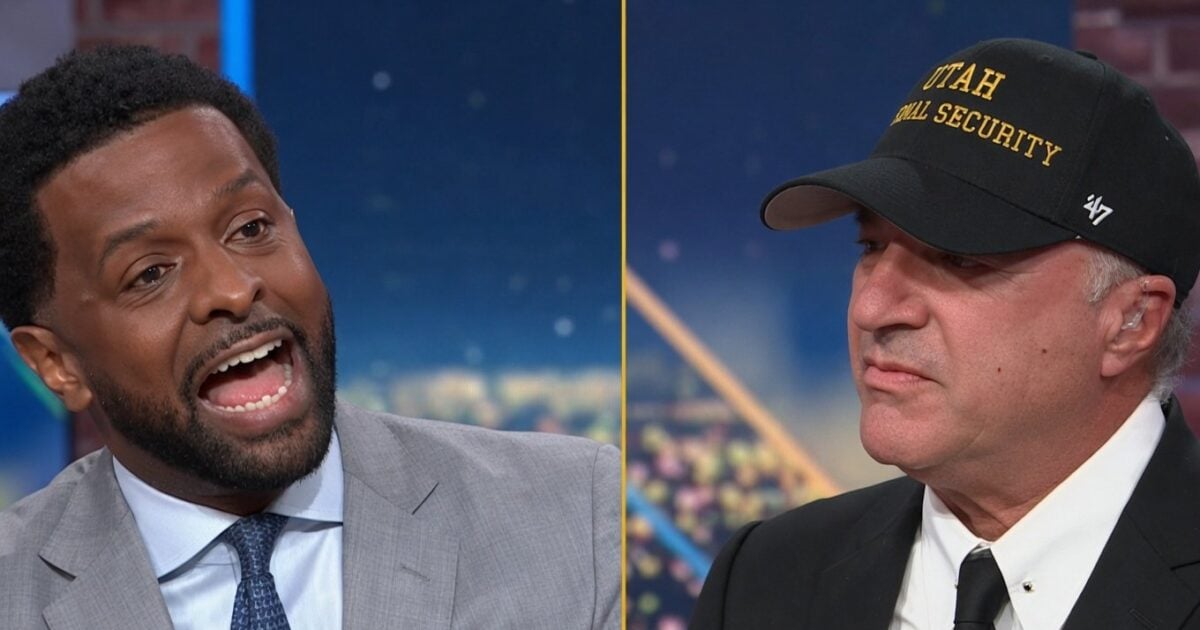
During a Monday night segment on CNN NewsNight, Democratic commentator Bakari Sellers and investor Kevin O’Leary were debating the Supreme Court’s recent move on Alabama’s congressional redistricting map. The conversation got heated fast. Sellers accused O’Leary of being “utterly disrespectful” and then dropped the line that turned the segment into a clip people are still replaying: “Don’t be a dick.”
O’Leary, unfazed, fired back: “I’m not being a dick. I’m pointing out the Constitution is being upheld. Do you have a problem with the Constitution?”
Watch the exchange:
Sellers: I’m going to finish because you’re being utterly disrespectful. Don’t be a dick.
O’Leary: I’m not a dick pic.twitter.com/F1IoQYSa1b
— Acyn (@Acyn) May 12, 2026
Gateway Pundit flagged the CNN segment after the clip began circulating Monday night:
The CNN NewsNight panel was supposed to be a discussion about the Supreme Court’s latest action in the Alabama redistricting fight and whether the state should be compelled to maintain a second majority-Black congressional district heading into the 2026 midterms. Instead, it became a shouting match. Bakari Sellers grew visibly agitated as Kevin O’Leary laid out the legal and constitutional basis for Alabama’s position, eventually cutting O’Leary off and telling him he was being “utterly disrespectful” before using the on-air profanity.
O’Leary did not back down. He responded calmly that he was simply pointing to the constitutional posture of the case and asked Sellers directly whether he had a problem with the Constitution being upheld. The moment quickly became the most talked-about cable news clip of the night, with multiple media outlets and commentators picking up the exchange within hours of its airing.
That O’Leary did something cable-news panels do not reward very often: he stayed on the legal point while the room got emotional.
So what is the legal backdrop here? The dispute goes back years and centers on Alabama’s seven U.S. House districts.
AP reported on the Supreme Court’s Monday action:
The Supreme Court cleared the way for Alabama to move forward without a court-ordered second largely Black congressional district for the 2026 election cycle by suspending a lower-court order. The case traces back to a 2023 Supreme Court ruling that went against Alabama and required the state to draw a second district where Black voters could realistically elect their preferred candidate. Alabama subsequently argued that later high-court rulings on race and redistricting had changed the legal landscape, and the justices agreed to pause the lower-court mandate while the broader legal questions play out in the federal courts and on the campaign map.
The practical effect is significant for Alabama voters and for national House math. Alabama Republicans now have a path to reshape one of the state’s seven congressional seats ahead of the midterms. AP placed the case inside a wider national map fight, with both parties looking for congressional-seat advantages in multiple states before 2026. The order does not resolve every underlying Voting Rights Act question, but it removes the immediate requirement that Alabama use the court-drawn two-district map for the upcoming cycle.
That is the context Sellers and O’Leary were supposed to be debating. Redistricting cases are complicated. People can argue over how the Voting Rights Act should interact with new Supreme Court precedent on race-conscious mapmaking. The CNN debate barely reached that substance because the panel shifted to tone and accusations instead.
Bakari Sellers CRASHES OUT at Kevin O’Leary:
Sellers: People fought and died to be able to vote. Don’t be a dick!
O’Leary: I’m not being a dick. I’m pointing out the Constitution is being upheld. Do you have a problem with the Constitution?pic.twitter.com/NgfYPZcSAK
— MRC NewsBusters (@newsbusters) May 12, 2026
Moments like this reveal the weakness in cable-news shouting matches. When the legal point gets uncomfortable, the debate often turns personal. Sellers invoked the sacrifices of people who “fought and died” for the right to vote, which is a serious and real piece of American history. In this exchange, though, that history became a shield against the legal question O’Leary was raising. The conversation then slid from constitutional argument to personal insult.
O’Leary kept his composure and asked a simple question: Do you have a problem with the Constitution being upheld? Sellers never answered it.
That is the state of political debate on cable news in 2026. One side makes a constitutional argument. The other side reaches for a name. Then the man making the argument gets accused of being disrespectful.
This is a Guest Post from our friends over at WLTReport. View the original article here.
Trending on 100 Percent Fed Up