
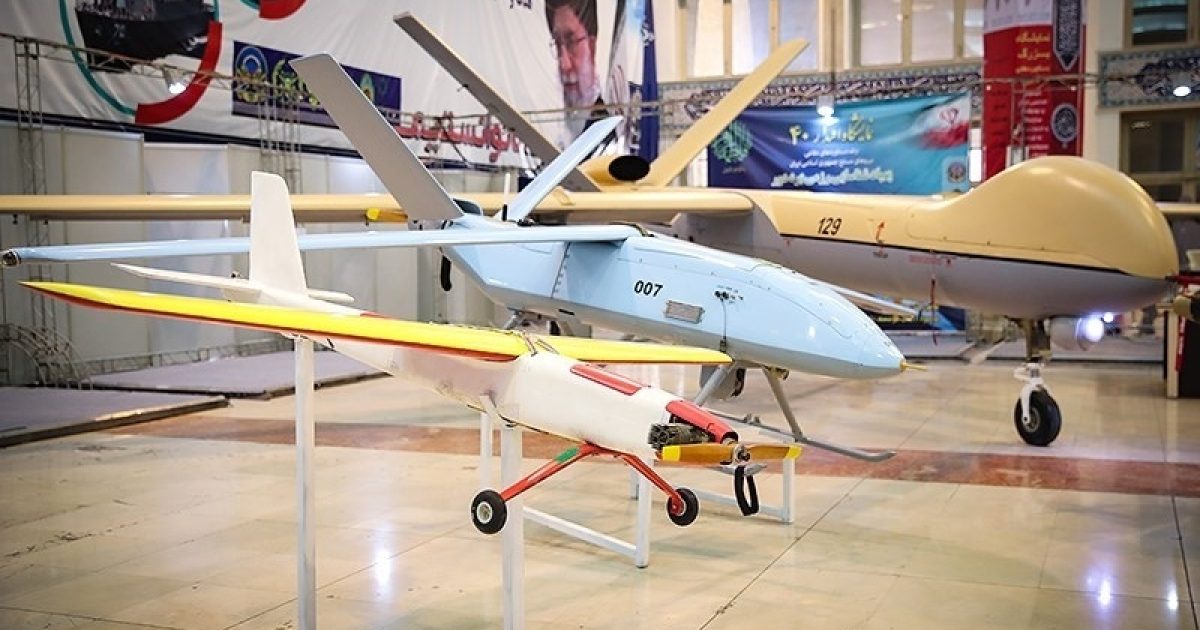
New U.S. intelligence assessments are raising serious questions about the outcome of the recent conflict with Iran, suggesting that despite weeks of intense military strikes and claims of its industrial base being ‘obliterated, Tehran has been able to rapidly rebuild key elements of its arsenal.
The findings, according to various reports, complicate the strategic picture for Donald Trump, who now faces mounting pressure over whether to escalate the conflict again or risk losing whatever gains were achieved.
According to multiple intelligence sources, Iran has been rebuilding its military capacity far faster than initially expected. Officials say the timeline for recovery has exceeded prior estimates.
“The Iranians have exceeded all timelines the [intelligence community] had for reconstitution,” one U.S. official said.
The rebuilding effort took place during a six-week ceasefire that followed a major American-Israeli bombing campaign earlier this year. That pause appears to have given Tehran critical time to regroup.
American and Israeli forces launched strikes beginning in late February, targeting missile infrastructure, military facilities, and defense production sites. The goal was to significantly degrade Iran’s ability to project power in the region.
While the strikes caused damage, intelligence assessments now indicate the impact may have been limited. Analysts say Iran’s core capabilities were reduced—but far from totally eliminated.
In particular, Iran has already restarted parts of its drone production. Officials estimate that full drone capability could be restored within six months.
Missile capabilities also appear to remain largely intact. Some estimates suggest that Iran retained around 60 to 70 percent of its pre-war missile stockpile.
In addition, Iran has regained access to a majority of its missile launch sites. Intelligence reports indicate that many of these facilities are once again operational.
Satellite imagery and surveillance data suggest that underground storage and launch infrastructure has also been restored. In some cases, facilities are described as “partially or fully operational.”
The strategic implications are exceedingly significant. Iran remains capable of targeting American assets and regional allies across the Middle East.
Shipping lanes are also at risk. Control over key chokepoints such as the Strait of Hormuz remains a critical factor in the broader conflict, with oil prices remaining around 100$/barrel—up significantly from prior to the conflict.
The intelligence findings challenge earlier public statements from the White House. Trump had previously suggested that Iran’s military capabilities had been “decimated.”
Internal assessments now paint a more complex picture. The damage inflicted appears to have delayed Iran’s capabilities by months rather than years.
At the same time, Tehran has reportedly benefited from external support. Intelligence sources say both Russia and China have provided assistance during the rebuilding phase.
According to some reports, China has supplied components used in missile production. These claims have been denied by Beijing.
Iranian officials, for their part, have acknowledged efforts to rebuild. Parliamentary speaker Mohammed Bagher Ghalibaf said the country used the ceasefire to restore its military strength.
The situation presents a difficult choice for the Trump administration. If Iran can fully reconstitute its capabilities in a short time frame, the strategic advantage gained from the conflict may be temporary.
That raises the question of whether further military action would be required to maintain pressure. At the same time, renewed escalation carries significant risks.
Regional stability remains fragile. Previous Iranian retaliation included strikes on American bases and allied infrastructure in the Gulf.
Intelligence reports suggest that any renewed conflict could see increased use of drones. These systems are seen as a cost-effective way to offset losses in other areas.
The broader geopolitical context adds another layer of complexity. Involvement from major powers increases the risk of escalation beyond the immediate region.
For President Trump, the situation presents a strategic dilemma with no clear resolution. Escalation could deepen the conflict, while restraint could allow Iran to regain strength, and walking away entirely would be seen by some as a humiliating defeat.
Analysts say the current trajectory reflects a familiar pattern. Military strikes can degrade capabilities, but long-term outcomes depend on sustained pressure.
At the same time, public messaging and intelligence assessments are not always aligned. This gap can complicate both domestic and international perceptions.
The ceasefire itself may prove temporary. Trump recently suggested he was prepared to resume bombing operations on short notice.
That statement underscores the uncertainty surrounding the next phase of the conflict. Decisions made in the coming weeks could shape the trajectory for years.
For now, the intelligence picture remains fluid. Assessments continue to evolve as new information becomes available.
What is clear is that the conflict has not reached a definitive conclusion. Iran’s ability to recover has introduced new variables into the equation.
As policymakers weigh their options, the margin for error appears increasingly narrow. The challenge is not just military—but strategic, political, and global.
The post Iran Rapidly Restoring Industrial Base & Military Strength, US Intel Says, Presenting Strategic Challenge for Trump appeared first on The Gateway Pundit.

