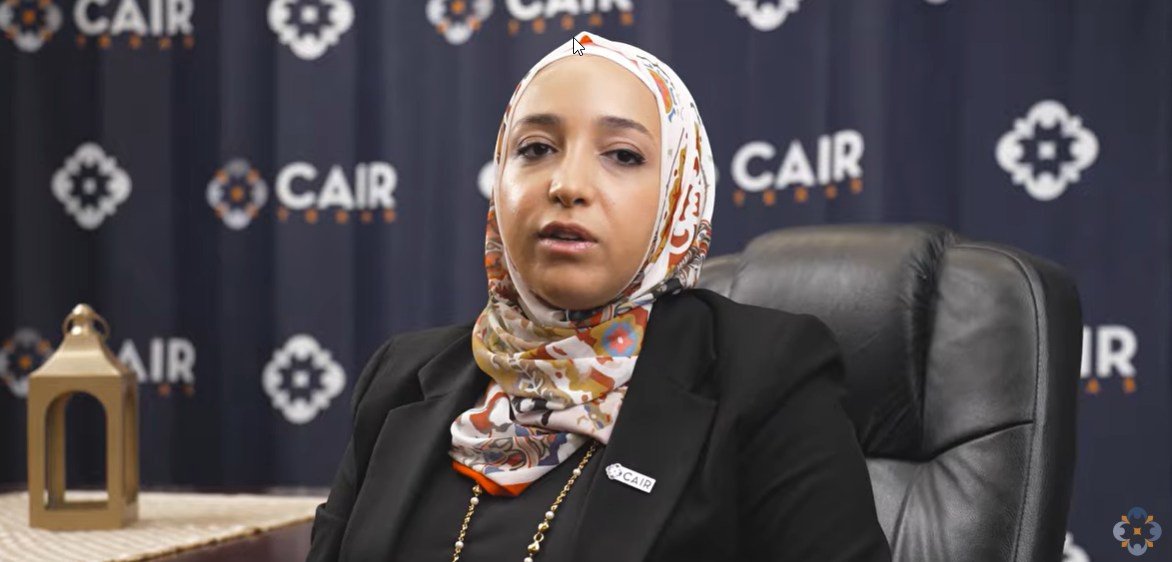


CAIR Houston Marks 20 Years in Texas: Defender of Civil Rights or Source of Outside Influence?
The Houston chapter of the Council on American-Islamic Relations (CAIR) is celebrating 20 years. On its website, CAIR says it serves the Muslim community of Greater Houston and Southeast Texas by defending civil rights and liberties. Over the past two decades, while Texas has had Republican governors like Rick Perry and Greg Abbott and conservative legislative majorities, CAIR-Houston has grown. This growth has led some to question whether there is enough oversight of foreign-linked influence, especially as Texas faces demographic changes and national security concerns.
On its homepage, CAIR-Houston encourages people to volunteer for events, communications, government affairs, and office management. The group also asks for Zakat-eligible donations and shares its mission: “to enhance understanding of Islam, protect civil rights, promote justice, and empower American Muslims.” A major focus is getting out the vote through the Texas Muslim Voter Project, which includes registration drives, reminders to voters, building mosque coalitions, and organizing Muslim Capitol Days in Austin. Supporters call this civic engagement, while critics argue it could lead to bloc voting that shapes policy based on group interests rather than individual freedoms.
CAIR-Houston is active beyond politics, working in cultural and institutional areas as well. The group promotes understanding of Islam through community events and outreach, and has pushed for changes in public schools, such as prayer rooms, halal food options, and curriculum updates. Critics say these changes weaken secular traditions and create separate cultural spaces. CAIR-Houston also encourages people to report incidents of discrimination, which some see as a way to pressure businesses, governments, and schools by labeling actions as “Islamophobia.” Critics argue that these efforts can limit free speech and introduce new cultural norms that challenge traditional American values.
In November 2025, Governor Abbott responded by labeling CAIR and the Muslim Brotherhood as foreign terrorist and transnational criminal organizations. This action restricts land purchases, cuts off school partnerships, and calls for more financial oversight. The move came after CAIR’s history, including being named an unindicted co-conspirator in the Holy Land Foundation trial, being listed as a terrorist group by the UAE in 2014, and the FBI limiting its formal interactions with CAIR. In response, CAIR-Houston has a “Dispelling Rumors” section and shares links that criticize Abbott’s decision as “Islamophobic.”
Texas Republicans have been in charge during a time when the Muslim population has grown, partly due to migration and higher birth rates, and CAIR has become more active. Some compare this to situations in the UK, where officials were slow to act on certain issues because they wanted to maintain good community relations. Critics warn that calling concerns “Islamophobia” can prevent open discussion about topics like separate communities, honor-based violence, or changes to local culture. Despite legal challenges to Abbott’s order, CAIR-Houston continues to hold events and work with government officials, increasing its influence.
This issue goes to the heart of American identity. After October 7, statements from national CAIR leaders, connections to the Muslim Brotherhood’s Palestine Committee, and Nihad Awad’s history have led to more distrust. In Texas, CAIR’s voter and cultural programs could give more influence to those who question Western values, possibly leading to demands for special treatment that divide communities. While CAIR presents itself as a group fighting for justice, it continues its work even after being labeled by officials, which some see as taking space away from traditional American culture.
This is not just neutral advocacy. In the UK, some groups took advantage of trust in institutions, and Texas now faces similar challenges at home. Texas attracts people from around the world, but it still needs to protect its own interests. While Republicans have focused on strong border policies, critics say they have not done enough to address the growing influence from within.
Moving forward will take determination. Abbott’s designation should be fully enforced. Partnerships and school connections need to be reviewed. Funding should support legal and research efforts to counter outside influence. Conservatives should take the lead by sharing information through media, hosting webinars that connect UK experiences to U.S. issues, and focusing on assimilation rather than defaulting to multiculturalism.
Texans have a right to know the details about CAIR-Houston’s Texas Muslim Voter Project, its finances, and its cultural programs. If these issues are ignored, Texas could change not because of natural shifts in voter opinion, but because of organized efforts that alter daily life, institutions, and values. As the population changes quickly, holding leaders accountable is the difference between responsible leadership and neglect. Texans should urge Republican leaders to address these concerns directly. Otherwise, Texas may change in ways that reflect deeper divisions instead of shared progress.
The post CAIR Houston Marks 20 Years in Texas: Defender of Civil Rights or Source of Outside Influence? appeared first on The Gateway Pundit.