By Peter Demos, Op-ed contributor
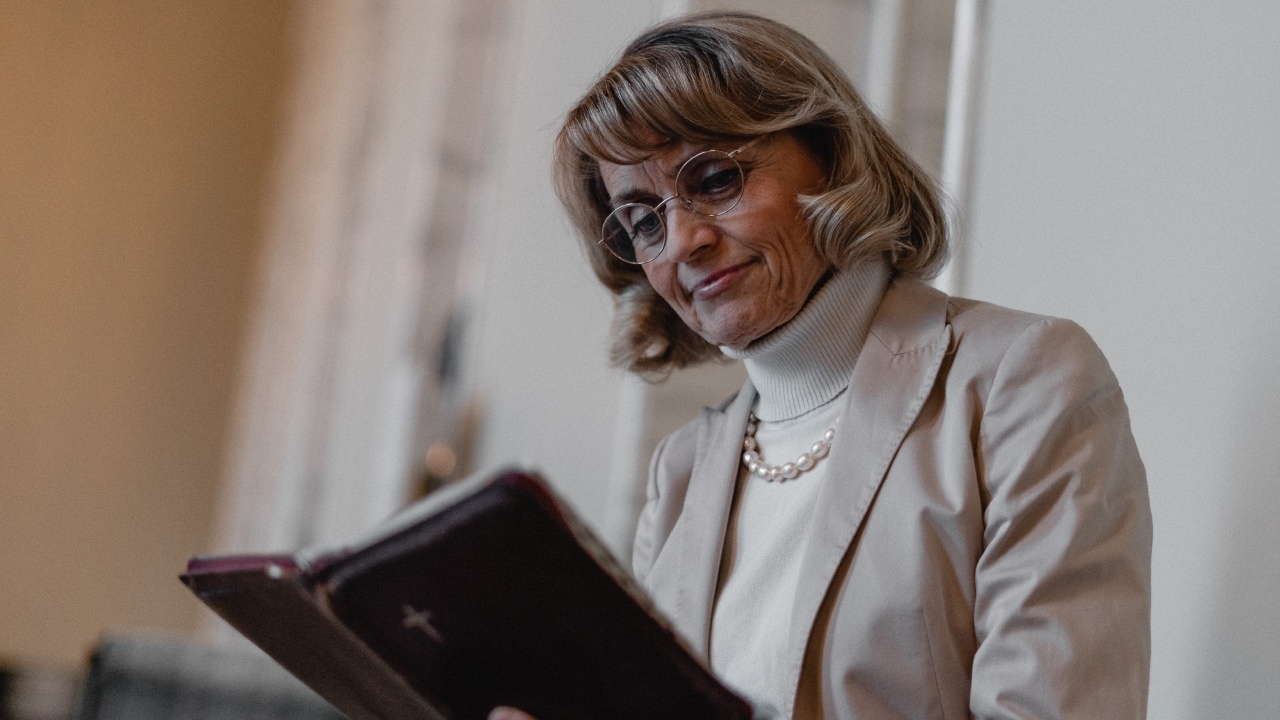
Britain did not merely deny entry to a tourist when it effectively barred Finnish politician Päivi Räsänen from even changing planes at Heathrow.
Räsänen — previously convicted in her home country for her views on marriage and sexuality — revealed recently that her electronic travel authorization (ETA) for the U.K. had been canceled.
The former Finnish Minister of the Interior said her application was initially successful, but she later received a notification saying it had been canceled. ETAs are for travelers to Britain who don’t require a visa but who need to pass through the U.K. border. Her planned trip to Northern Ireland next month is now in doubt.
Räsänen’s comments and opinions are not new — she was unanimously acquitted by both Finland’s District Court and Court of Appeal for her views several years ago. But earlier this year, Finland’s Supreme Court narrowly reversed the ruling, convicting her over language published in a church pamphlet written more than 20 years ago.
The ETA decision should concern everyone who believes in free speech, regardless of their views on sexuality.
Should a Western democracy deny entry to an elected official because she was convicted in another Western democracy for expressing traditional religious beliefs?
The U.K. government has every sovereign right to decide who enters its borders. No nation is obligated to admit every traveler. But sovereignty does not answer the more important question: What principles are guiding those decisions?
For decades, the West distinguished between people who commit acts of violence and people who express unpopular ideas. That distinction protected everyone. It protected civil rights leaders. It protected anti-war protesters. It protected atheists, Christians, Muslims, socialists, conservatives and countless others whose opinions offended the majority.
Once governments begin treating speech convictions as the equivalent of dangerous criminal conduct, that distinction begins to disappear.
Many might say Räsänen is not being punished for Christianity but for hate speech, and that is exactly why this case matters. The debate is no longer whether governments may punish threats, harassment or incitement to violence. Nearly everyone agrees they can. The debate has shifted to whether governments may criminalize traditional beliefs when they are considered offensive by modern cultural standards.
Today that issue includes Christian teaching on sexuality. Tomorrow it may involve criticism of another protected ideology. Once the government decides which opinions are beyond acceptable debate, every citizen eventually becomes vulnerable.
History repeatedly shows that censorship rarely stays confined to its original target. The power to silence one viewpoint inevitably expands to silence others.
Ironically, Britain has long been celebrated as one of history’s great champions of liberty. From Magna Carta to parliamentary government, from John Milton’s defense of free expression to John Stuart Mill’s arguments for open debate, the U.K. helped shape the modern understanding that truth is strengthened, not weakened, by allowing ideas to compete. That legacy deserves better.
Those freedoms were never intended to protect only fashionable opinions. They were built precisely to safeguard unpopular beliefs from the changing winds of politics and public opinion. That is why Britain’s tradition of free expression has influenced democracies around the world, including the United States.
You do not even have to be a Christian to recognize the danger here. In fact, free speech means the least when it protects only those with whom we already agree.
The real test of a free society is not whether it welcomes popular opinions but whether it still has room for unpopular ones.
That is why this case matters far beyond one politician or one country.
Free societies have always understood that unpopular opinions deserve the strongest protection, because popular opinions rarely need defending. Once governments begin treating religious expression as grounds for exclusion rather than debate, they risk weakening a principle that protects everyone.
We don’t need to just debate whether Päivi Räsänen should have been allowed to transit through Britain. The bigger question is whether the West still believes free speech belongs to everyone, or whether it’s only for those with approved opinions.
Peter Demos is a business leader and host of the ‘Uncommon Sense in Current Times’ podcast and author of Bold Not Belligerent. Once an outspoken critic of Christianity, he now owns a successful restaurant chain where faith actively shapes his leadership, culture and decision-making. Drawing on his own transformation, he equips Christians to engage a broken culture with truth, conviction and grace. Learn more at PeterDemos.org.