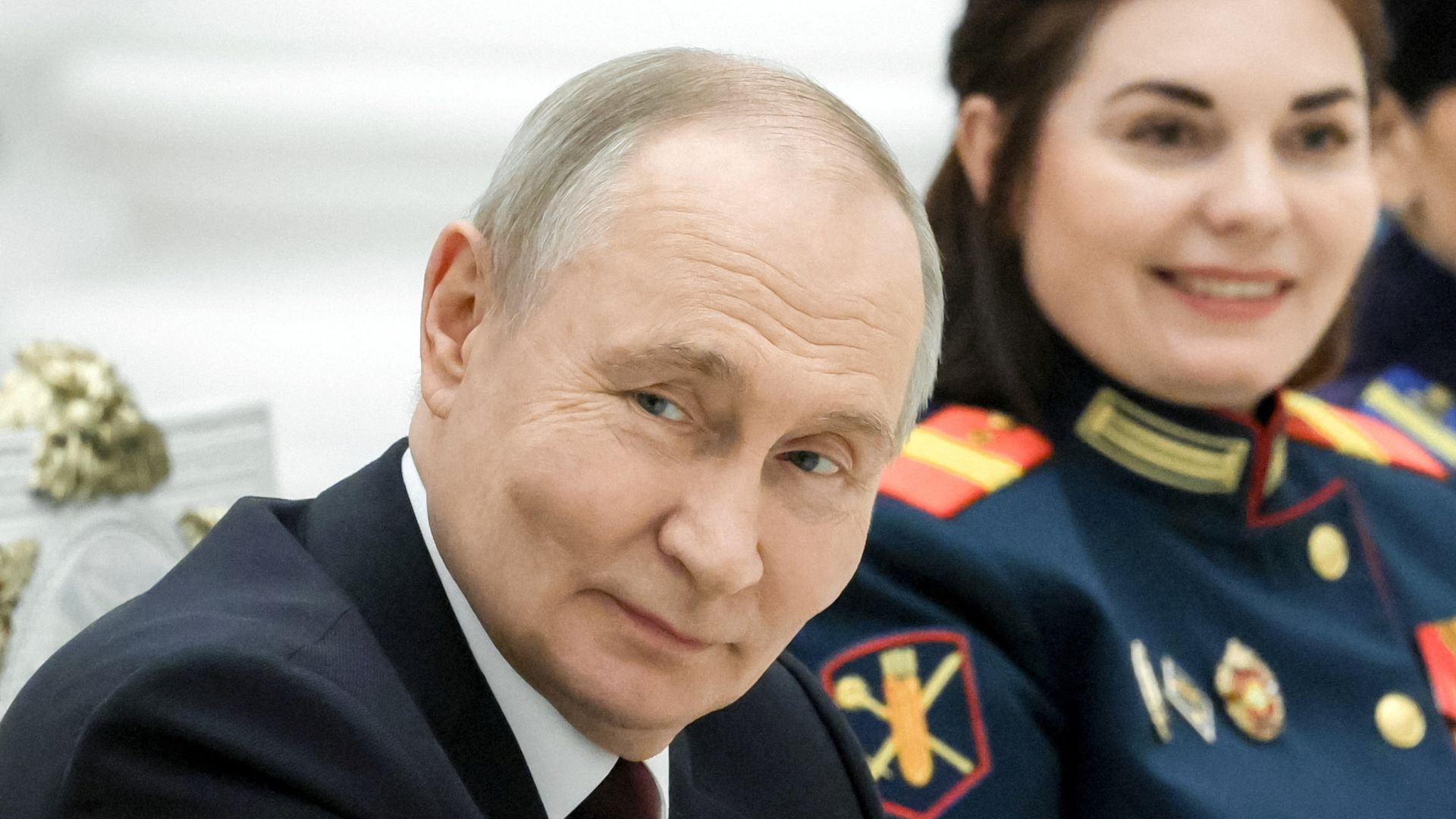
The conflict in the Middle East just gets better and better for Vladimir Putin.
It’s brought a spike in oil prices, a chance to play peacemaker, and now the easing of US sanctions on Russian oil.
This latest development marks a stunning reversal of policy from the Trump administration, and a major coup for the Kremlin.
Iran war latest: Explosion reported near Tehran march
Scott Bessent, the US treasury secretary, has played down the significance of any financial benefits for Moscow, stressing that the measures are “narrowly tailored” and “short term”.
But that feels like wishful thinking from Washington, and a lot of positive spin.
According to the Financial Times, Russia has been pocketing as much as $150m a day in extra oil revenues as a result of the crisis, after the disruption to global energy supplies led to increased demand from China and India.
How Russia is cashing in on oil war
The lifting of sanctions means it now has a load of extra customers it can potentially sell to, and business has already begun, with Thailand announcing this morning that it’s ready to buy Russian oil.
Oil was the area where the Trump administration had sought to put pressure on the Kremlin – to harm its economy in a bid to bring it to the table on Ukraine.
‘I’m not playing games with Putin’
To a certain extent it was working. Depleted sales to India (as a result of US sanctions), combined with a drop in prices, has led to a ballooning budget deficit, by depriving the Kremlin of a vital source of income.
Russia’s defence spending hadn’t been impacted yet, but it was making the maths harder for Moscow to add up.
So this represents a remarkable turnaround, not only economically but diplomatically too.
Read more:
Why Trump’s war with Iran will help fund Russia’s assault on Ukraine
US Navy to escort oil tankers through Strait of Hormuz
Symbolically it brings Russian oil back in from the cold, and creates further splits in the transatlantic alliance.
Europe is staunchly against any sanctions relief for Russia, with both Ursula von der Leyen and German Chancellor Friedrich Merz voicing their opposition to it in recent days. Such friction only plays into Moscow’s hands.
Domestically, too, it helps the Kremlin reinforce its message to the public that it was right all along – that the world needs Russia.
“The US is effectively acknowledging the obvious: without Russian oil, the global energy market cannot remain stable,” Kremlin investment envoy Kirill Dmitriev wrote on Telegram.
“Amid the growing energy crisis, further easing of restrictions on Russian energy sources appears increasingly inevitable, despite resistance from some in the Brussels bureaucracy,” he added.
Moscow clearly hopes this means that the sanctions genie is out of the bottle. Depending on the direction of oil prices, it may well be right.