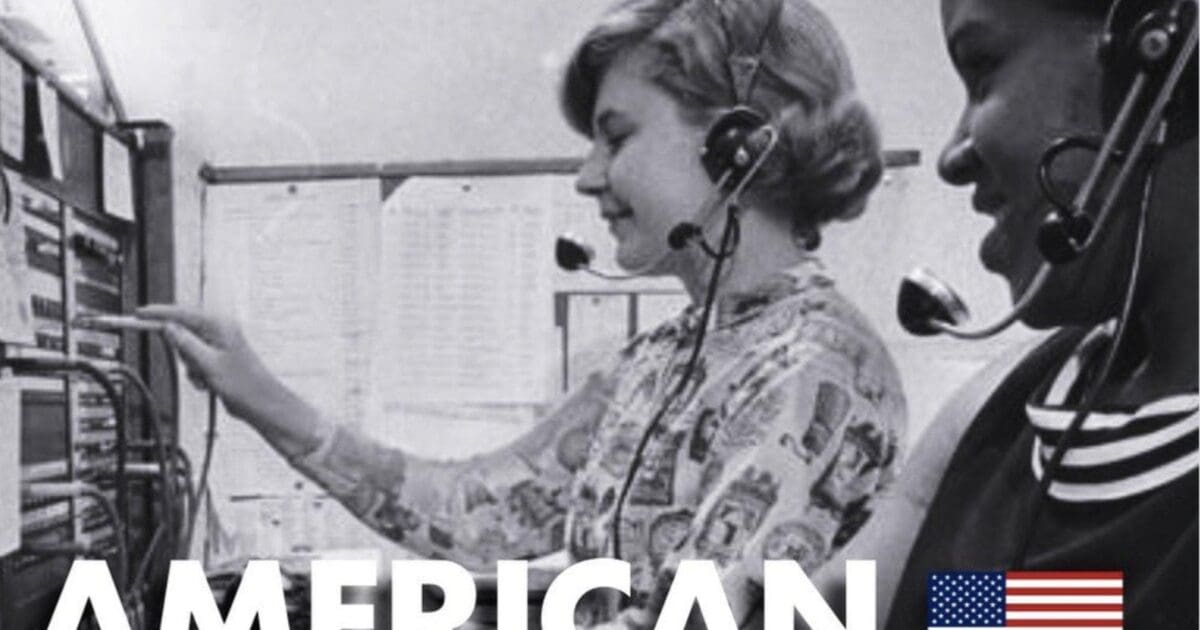
I have some great news to share with you….but there’s a twist.
First, the great news.
The Trump Administration is taking steps to end the abomination of Indian Call Centers and to reshore all call center work to Enligh-speakers on American soil:
It all comes directly from Brendan Carr, the Chairman of the FCC.
Carr Proposes Call Center Onshoring, English Proficiency Requirements
Rulemaking Opens New Front in Robocall Crackdown, Too, While Bringing Back American
Jobs and Improving Customer Service
WASHINGTON, March 4, 2026—Today, FCC Chairman Brendan Carr announced that the
Commission will be voting this month on proposals regarding the use of offshore call centers by
certain U.S. businesses. First, the FCC will vote on reforms that can encourage businesses to bring
call center jobs back the U.S. Second, the FCC will explore ways to improve customer service at
existing call centers, including a proposal to require call takers to be proficient in American Standard
English. Third, the FCC will address illegal robocalls that originate abroad by seeking comment on
the targeted use of tariffs or bonds. These proposals focus on the customer service centers run by the
communications providers regulated by the FCC.
Chairman Carr issued the following statement:
“Americans get frustrated when they call a U.S. business and end up connecting with a call center
located abroad. Language and communications barriers often make it difficult for callers to promptly
and efficiently get the results they want. And these foreign-based call centers often create a
heightened security risk as well. So the FCC will be voting on several proposals designed to reshore
call center jobs and improve the customer service experience at the ones that remain—including by
seeking comment on requiring call center workers to be proficient in American Standard English. The
FCC will also be opening up a new front in our efforts to block illegal robocalls from abroad by
examining the targeted use of tariffs or bonds.”
Additional Background Information:
Over the past few decades, many corporations shifted their customer service and call center
operations from America to a range of foreign countries – with nearly 70 percent of U.S. companies
outsourcing at least one department. These moves not only took jobs away from communities across
the country, they created a range of other problems as well. Today, consumers in the U.S. regularly
experience frustration and poor customer service when they connect with a call center located
abroad. There can be language, communication, and other barriers that make it difficult if not
impossible for consumers to get a satisfactory resolution to their problem.
The over-reliance on foreign call centers is a risk to privacy, data protection, and even national
security. Call centers often work with customers’ sensitive payment and account information. Yet,
many foreign countries do not impose the same legal protections as the United States. In addition,
foreign call centers have contributed to the onslaught of robocalls facing American households and
businesses, often leveraging the training and the infrastructure used to operate legitimate call centers
to defraud Americans.
The Notice of Proposed Rulemaking proposed today would seek comment on:• Ways to encourage and facilitate the onshoring of call centers, including limits on call
volume from overseas call centers, empowering consumers to transfer calls to a U.S.-based
location, or requiring covered providers to disclose the location of the call center during the
customer interaction;
• Steps the FCC can take to improve the customer service and security of communications
between an American and any call center that remains abroad, including requiring workers at
call centers to be proficient in American Standard English and otherwise be trained
appropriately for resolving issues with U.S. customers;
• How best to address illegal robocall scams that originate inside foreign call centers, such as
ways we can take the profit out of those operations (including specifically the idea of
requiring the use of bonds or tariffs in appropriate circumstances); and,
• The scope of the FCC’s legal authority, including the types of covered businesses,
applicability of rules to call centers operated by communications providers regulated by the
FCC, acknowledging limits on the FCC’s authority to address all potential call centers
located overseas.
###
Media Contact: [email protected] / (202) 418-0500
@FCC / www.fcc.gov
Already Charter Communications has committed to bringing it’s Customer Service Workforce to be entirely 100% U.S. based, so credit to Charter for this:
So that’s the good news, and it is exciting.
Sadly, I think it may not matter, because I think in a matter of months, not years, almost all Customer Service Roles will be handled by AI.
And as horrible as an Indian Call Center is, at least they’re still human beings.
I love so much of what AI can do for us, but chatting with an AI bot is atrocious.
I am not excited for that future.