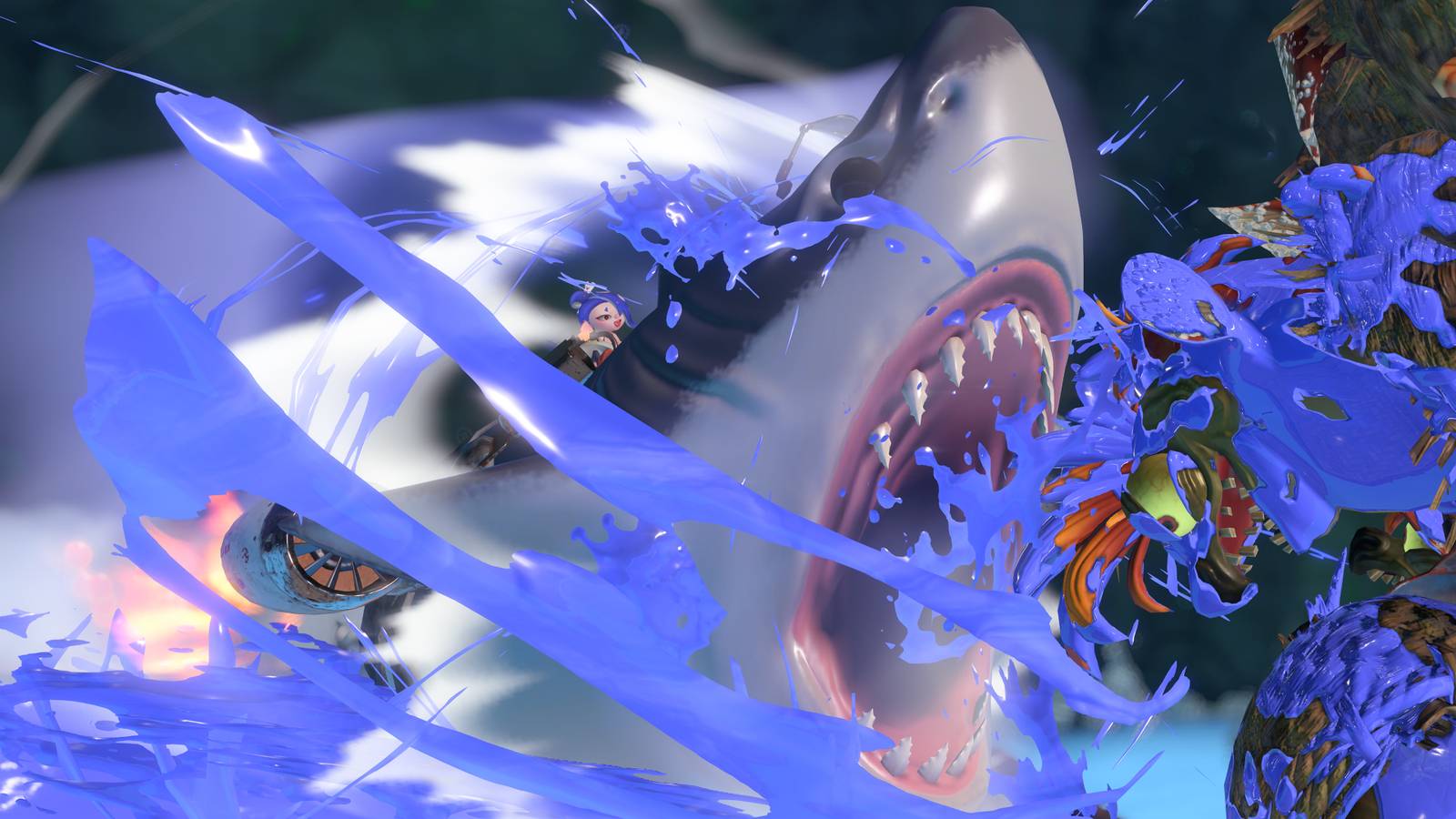
Splatoon Raiders is the latest exclusive to show off what Nintendo’s handheld can do
The Nintendo Switch 2 has finally justified its existence

Sign in to your Polygon.com account
Back when the Nintendo Switch 2 was just a likely rumor, I wasn’t exactly convinced that a superpowered console would benefit Nintendo much. Sure, a modern tech boost would open the door for better third-party support and more stable performance, but realistically, I didn’t expect it to change much about how Nintendo makes its games. Kirby is always going to look like Kirby.
Now, more than a year into the Switch 2’s life, I have a much better idea of how Nintendo is playing with power. We got a tease of that last year with Donkey Kong Bananza and Kirby Air Riders, but Splatoon Raiders is the latest game to clarify what a first-party Nintendo game looks like with more capable hardware. It’s not a matter of more realistic graphics; it’s about filling up the screen with colorful chaos.
You can see that philosophy on display in several Nintendo Switch 2 exclusives. The most obvious example is Donkey Kong Bananza, which just celebrated its one-year anniversary. It’s still the Switch 2’s show pony for good reason: it lets you tear through entire levels as terrain explodes in a shower of gold particles. The fact that it maintains a smooth framerate even during co-op is a miracle, considering that the old Switch struggled to make a top-down Zelda game run well.

We’ve seen a few similarly impressive tech feats since then. Hyrule Warriors: Age of Imprisonment lets you enjoy an action game where hundreds of enemies are on screen at once, without the slowdowns that plagued its predecessor, the Switch’s Age of Calamity. Kirby Air Riders tosses the kitchen sink at you while you zoom through City Trial mode at 10,000 miles per hour, without missing a beat. Even this year’s Mario Tennis Fever makes good use of the hardware to have multiple Fever Racket effects active on a court at one time. There’s a good reason that all of these games are Switch 2 exclusives.
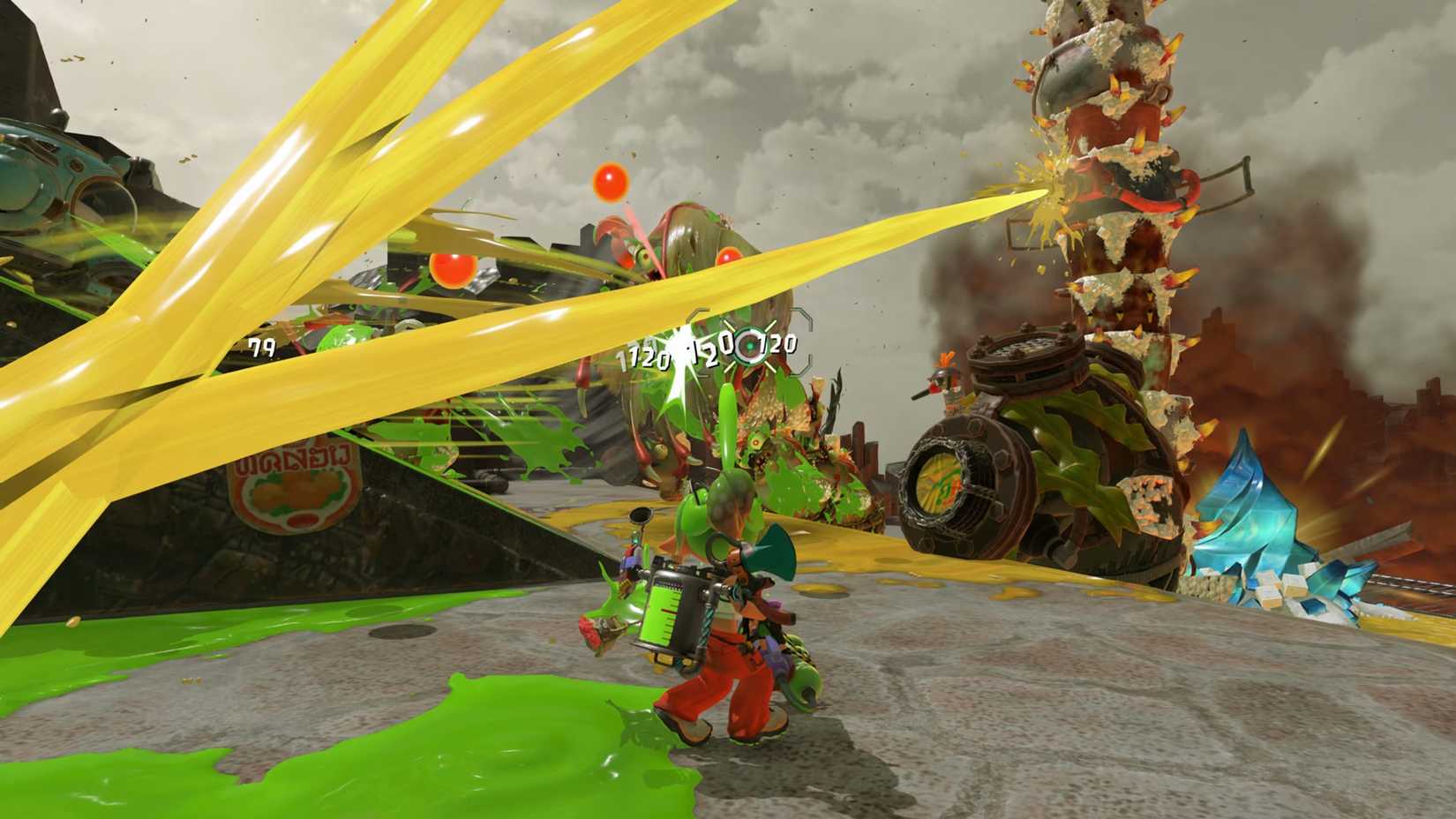
Splatoon Raiders is the best example of tech elevating design yet. In the looter shooter’s high-level endgame challenges, you’re often surrounded by waves of Salmonids who shoot off ink in every direction. The screen floods with color as you pop your foes with shots of your own. It’s almost Musou-like at times, with the visual chaos piling up, making it all the more impressive that the framerate stays stable throughout. Does it look that much better than Splatoon 3? No, but it’s hard to imagine that Raiders would be able to run on the original Switch without exploding.
Nintendo’s hardware has a long history of influencing the games that run on it. Consider how the GameCube’s four-controller support made it a multiplayer haven, how the Wii led to a golden age of casual party games, and how the Wii U tried to experiment with multiscreen play. When I think back on the Switch’s library, it’s easy to see how the console itself impacted Nintendo’s approach to game design, too. The best Switch games are made to fit both console and handheld experiences. They tend to be huge in scope, but still playable in short chunks on the go. That’s the genius of Breath of the Wild’s shrines, or Super Mario Odyssey’s glut of collectible Moons. Switch 2’s early games are, instead, defined by a kind of cartoon sensory overload that Nintendo has never had the tech to pull off until now.
There are still plenty of untapped franchises that could continue that philosophy this generation. The next Super Smash Bros. game could no doubt give Masahiro Sakurai a chance to create an even faster-paced fighting game, with more explosive items and busier stage gimmicks. Mario games have always aimed to get the most out of Nintendo’s hardware, so the plumber’s next 3D outing could very well give us something as technically dazzling as Super Mario Galaxy was in 2007. I’m still putting my money on F-Zero finally getting a revival this generation now that Nintendo has a platform that can handle the speed and precision that series requires. (A man can dream!)
No matter what we have coming on the horizon, I’m already happy to eat crow as I look back at my low expectations for the Switch 2. Yes, Kirby still looks like Kirby, but I didn’t anticipate that I’d get to see him racing through a living planet’s face at an impossibly high speed as rainbow colors rained around him. Games like Splatoon Raiders are showing that generational boosts are no longer about leaps in fidelity, but about removing more barriers that block developers’ imaginations. Nintendo seems to get that right now, and it’s not taking that for granted.