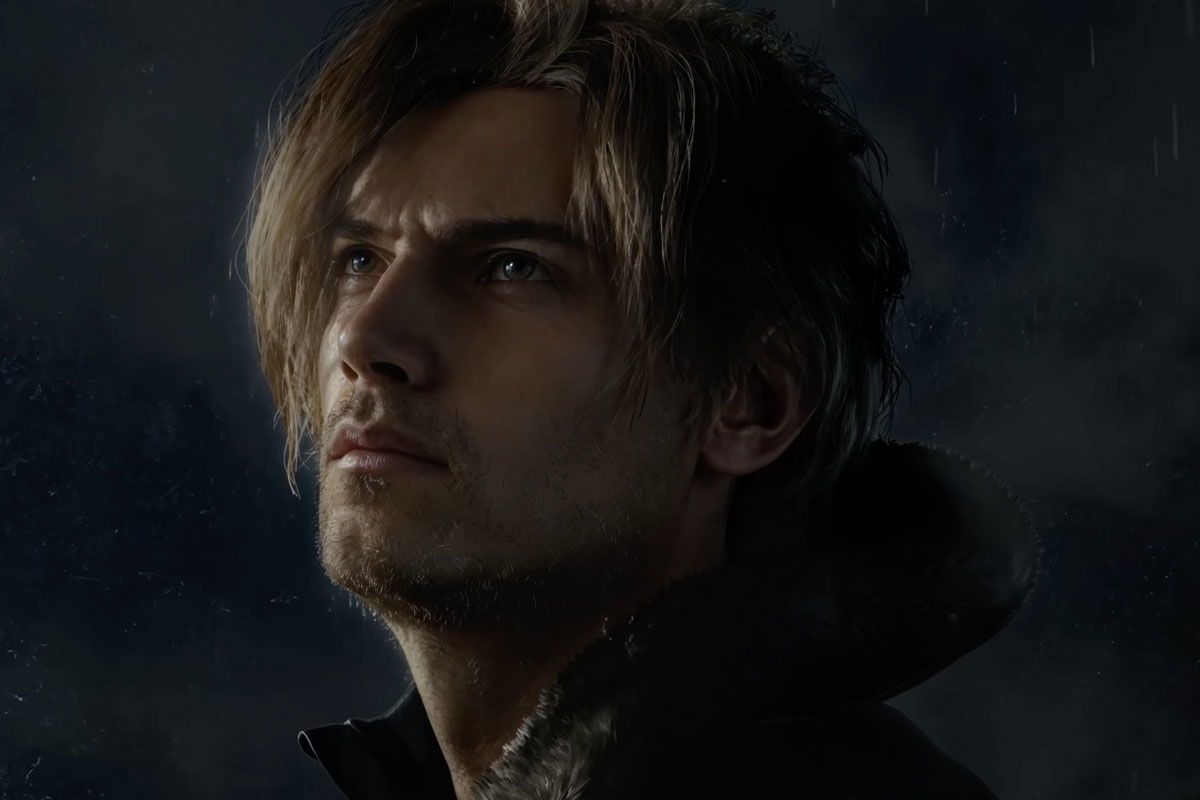

Almost a week on, the controversy and backlash over NVIDIA’s DLSS 5 announcement are still swirling, following some mixed messaging from the company about how the tech works.
A reveal trailer on Tuesday showcased multiple games like “Resident Evil Requiem,” “Starfield”, and “Hogwarts Legacy” using the new technology, which goes beyond simple upscaling and leads to massively revised visual appearances to games – especially character faces and the overall game’s art direction. Those changes have drawn comparisons to an AI slop and an ‘AI Yassification filter’.
The following day, CEO Jensen Huang downplayed the criticism, saying those calling it an AI filter are “completely wrong” because “DLSS 5 fuses the controllability of geometry and textures and everything about the game with generative AI” and says all of it is “in the control – direct control – of the game developer”.
That has been interpreted as him saying it is not a filter or a post-processing effect, but rather something more integrated at the developer and designer level. If an accurate interpretation, then that claim appears to conflict with statements from NVIDIA engineers working on DLSS 5 along with the company’s own official slides according to HotHardware who reports that those slides indicate DLSS 5 works from the same data as previous DLSS iterations and is not more integrated into game engines.
YouTuber Daniel Owens asked NVIDIA’s own marketing specialist Jacob Freeman if DLSS 5 is “effectively taking a single 2D frame as an input (with motion vectors) to create the output frame?” to which Freeman responded: “Yes, DLSS5 takes a 2D frame plus motion vectors as an input. DLSS 5 is trained end-to-end to understand complex scene semantics…all by analysing a single frame.”
In other words, he’s indicating that DLSS 5 is an AI filter that uses only the 2D-generated game image and some vector data to generate the final image. Owen adds that “the underlying geometry is unchanged” and “developers can also mask specific objects or areas to be excluded from enhancement”
The technology is still in development, so there is still hope that the issues with the tech can be ironed out in the wake of last week’s launch and the decidedly poor reception. Criticism remains widespread, with the DLSS5 official video drawing an 84% dislikes vote on YouTube, while Digital Foundry’s initial glowing coverage of it saw the owner on the receiving end of death threats.
Kotaku spoke with a number of game developers and the universal consensus appears to be negative: “Every dev I talked to, even those who didn’t want to be included in this feature, all told me they hated DLSS 5 and were offended by Nvidia’s announcement and how it seemingly overwrote the work of talented artists, modelers, and other game devs… many of them aren’t even sure who this is for.”
Insider Gaming reported earlier this week that some developers at studios like Ubisoft and Capcom were caught off guard by Nvidia’s big reveal.