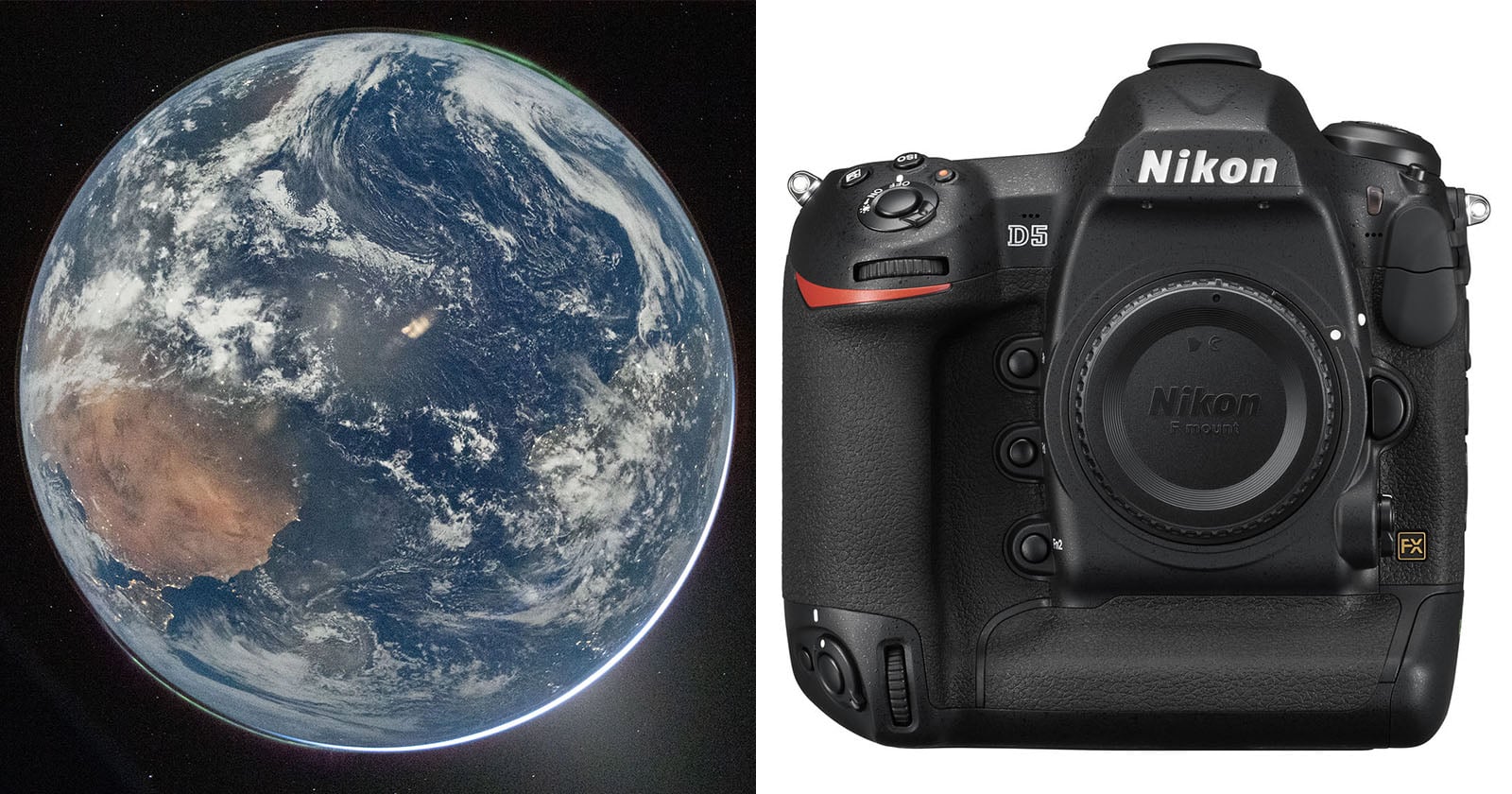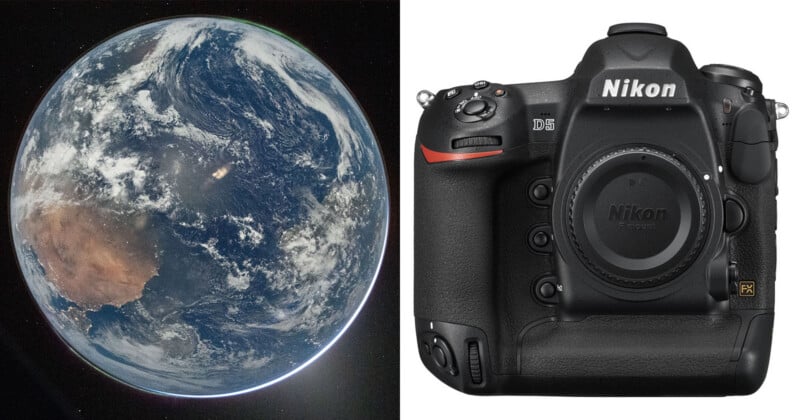
While much of the discussion surrounding the Artemis II crew’s beautiful photos from their Orion spacecraft has focused on the images themselves, and they are fantastic shots, some of the discussion has surrounded the cameras used to capture the photos. Photographers love chatting gear, after all. While the Nikon D5 DSLR may seem like a puzzling choice as the primary camera on a prestigious space mission in 2026, it’s the best tool for the job.
Although the Artemis II crew successfully campaigned to get Nikon’s current flagship camera, the mirrorless Z9, aboard at the last minute, the crew is using the rigorously tested Nikon D5 DSLR from 2016 as the main camera. Not the Nikon D6, Nikon’s last professional DSLR that was discontinued in 2025, but the 10-year-old D5.
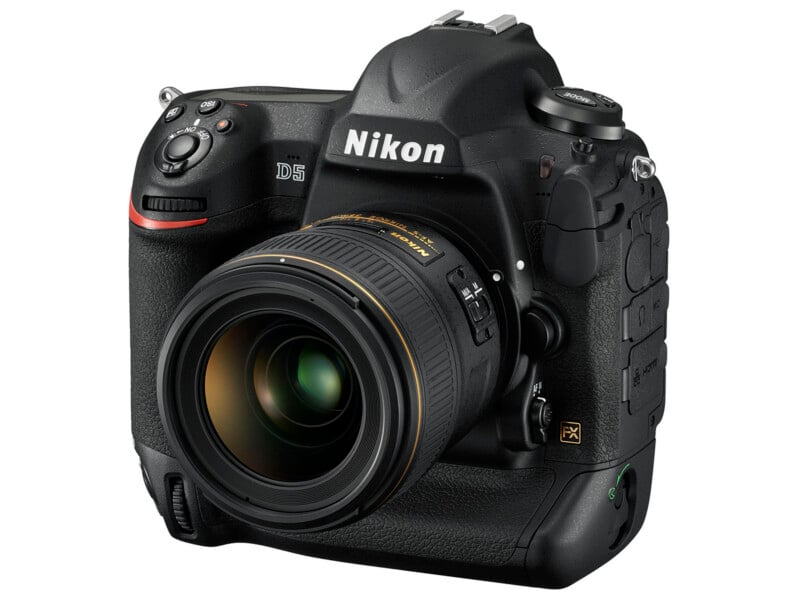
It’s easy to wonder why the Artemis II astronauts, who are part of an Artemis program costing many billions of dollars to operate, are using an old DSLR that, frankly, was not particularly beloved at the time of its release.
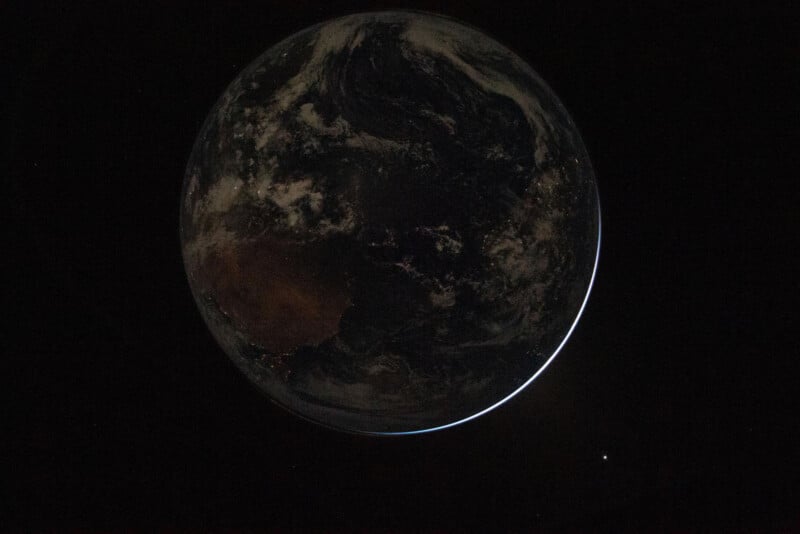
However, it’s not strange when the context is teased apart. Beyond one of the most important factors, that the Nikon D5 is a proven, tested camera that NASA knows can handle the harsh environment of space, the D5 is also a uniquely capable camera for this specific situation.
When Nikon released the D5, a big part of its marketing was that it could reach an obscene high ISO value of 3,280,000. While that top mark is generally a lot of hot air and ISO 3.28 million looks terrible and is practically useless, the D5’s highly touted low-light performance is far from marketing mumbo jumbo. The D5 was, and remains, Nikon’s best high ISO performer. Not just for DSLRs, but all Nikon digital cameras ever made.
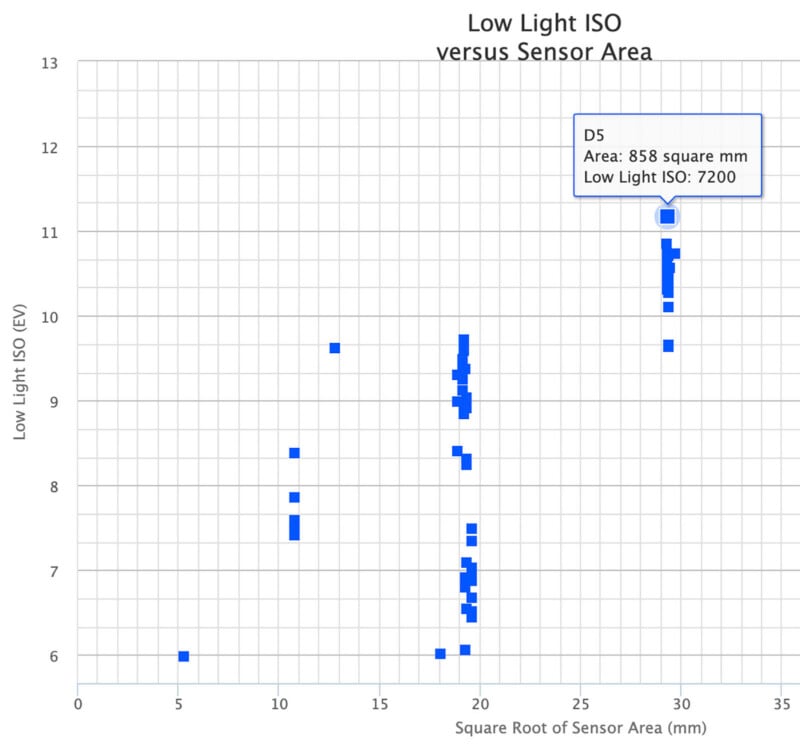
The NASA Artemis II mission, which is orbiting the Moon at the time of writing, is focused on capturing as much useful visual data of the Moon as possible. This means good, sharp, and clean photos of the lunar surface. Sure, the Nikon Z9 aboard the Orion spacecraft has more megapixels than the D5 DSLR, but it is not as adept at high ISO values, and space is awfully dark.
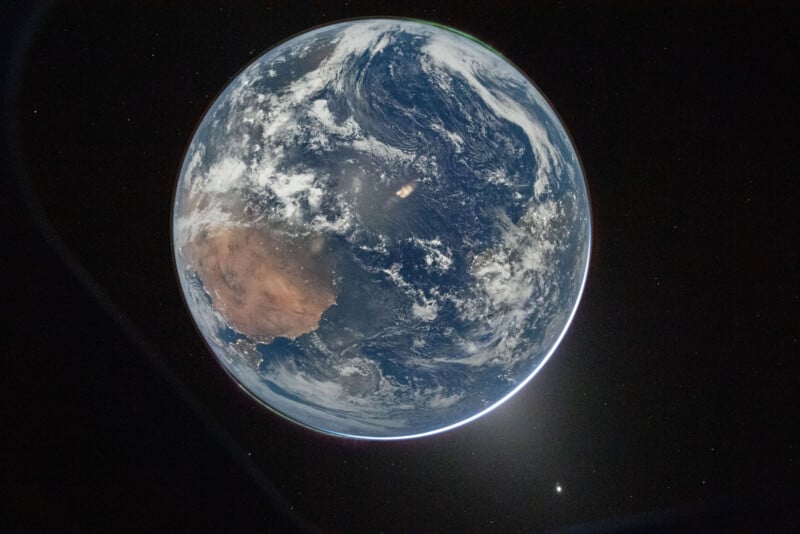
Consider the gorgeous photos NASA Artemis II astronaut Reid Wiseman captured out of the Orion spacecraft’s windows last Friday. One of the photos was captured at ISO 51,200 with a shutter speed of just 1/4s. While sure, Wiseman could have opened up his Nikon AF-S 14-24mm f/2.8G lens to f/2.8, rather than sticking to f/4, that would have made little difference. It was always going to be shot at a very high ISO.
While Wiseman and his fellow astronauts, Victor Glover, Christina Koch, and Jeremy Hansen, will be able to keep their ISO low when photographing the illuminated Moon, what about the dark side of Earth’s satellite? High ISO will be essential.
There is little doubt that the Nikon Z9 the crew has up in space will perform well and capture great photos. However, when the light is dim and proven reliability is of utmost importance, the Nikon D5 remains the superior choice. A lot of aspects of cameras has gotten better since the D5’s launch, including autofocus and speed. Image quality, however, has not universally improved in the mirrorless era. Camera makers are prioritizing other aspects of overall imaging performance. Nikon prioritized high ISO performance on the D5 in a way it hasn’t since with its newer cameras.
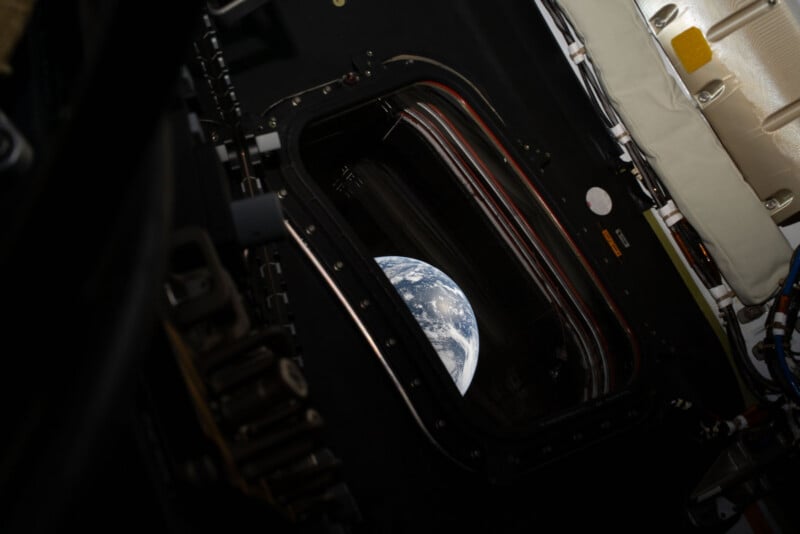
As an aside, it’s decidedly less obvious that the 30-year-old Nikkor 35mm f/2 AF-D lens the crew has up in space was a better option than the Nikon AF-S 35mm f/1.4G or 35mm f/1.8G ED lenses, but it is neat that a classic Nikkor prime is in space, and it’s clearly doing just fine.
Is the Nikon D5 the best Nikon camera, or even DSLR, ever made? Not by a long shot. But it’s the right tool for the Artemis II mission, no matter its age. Given that Nikon is moving to the Z9 platform for the Artemis III mission with the next-generation Handheld Universal Lunar Camera (HULC), Artemis II is also likely the D5’s last hurrah. Being used by the Artemis II crew while they set the new record for the farthest distance humans have ever traveled from Earth — 252,760 miles (406,778 kilometers) — is one heck of a swan song.
Image credits: Nikon, NASA