Authored by George Citroner via The Epoch Times (emphasis ours),
Americans are popping pills at a rate that might surprise even their doctors—and most of what they’re taking, they chose themselves.
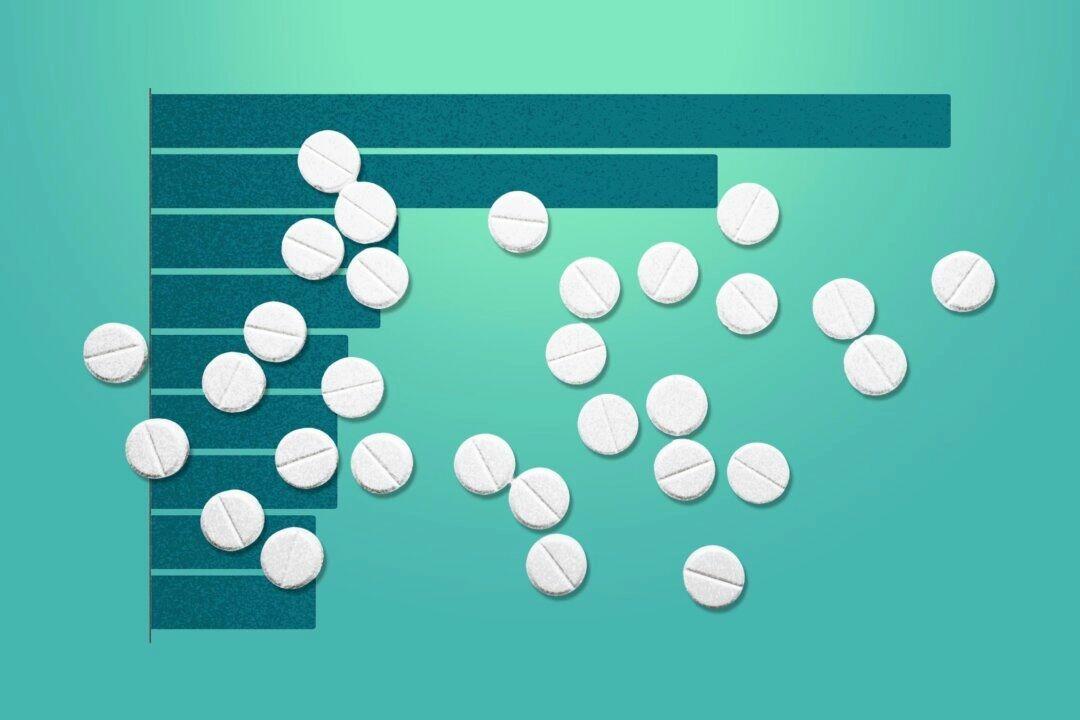
Nearly two-thirds of U.S. adults take at least one pill each week, and one in six takes five or more, according to a recent study published in JAMA, highlighting how central medications—both over-the-counter and prescription—are to everyday health.
Researchers surveyed 21,000 volunteers aged 18 and older between 2023 and 2024 to discover the most common drugs Americans are taking.
Top 10 Drugs Taken by Americans
The top 10 drugs identified by researchers provide a snapshot of the most common health concerns among Americans.
According to the study data, the four drugs occupying the top spots are acetaminophen, ibuprofen, aspirin, and naproxen, all of which are over-the-counter anti-inflammatory drugs that help to treat fevers and moderate pain.
Among prescription drugs, atorvastatin (used to lower cholesterol), lisinopril (for blood pressure), and levothyroxine (for thyroid conditions) were the most frequently reported.
Less common over-the-counter drugs include diphenhydramine, most familiar as Benadryl, an antihistamine used to treat fevers and allergies, and omeprazole, a drug for acid reflux, which ranks ninth among over-the-counter drugs.

Who Is Taking What
Women were more likely to report medication use than men—67 percent versus 57 percent.
Women also showed higher use of levothyroxine (thyroid replacement) and anti-histamines, while men more commonly reported taking atorvastatin (lowers cholesterol) and metformin, used to treat Type 2 diabetes.
Participants were asked to recall their medication use over the previous seven days, aided by sample labels and prompts about common ailments and medical history to improve recall accuracy. Researchers categorized medications by active ingredients and excluded herbal supplements and topical treatments.
Risk of Adverse Drug Interactions
The findings arrive with a warning that experts say too few patients hear: Over-the-counter does not mean risk-free.
Researchers found that medication use could swiftly add up, with one in six adults reporting they took five or more medications in the past week, and 3.3 percent saying they took 10 or more.
“Many people don’t realize these drugs can interact with their prescriptions or add to side effects, especially older adults taking multiple medications,” Reshma Patel, pharmacist and Dallas-based founder of WiseMedRx, where she partners with families to review patients’ medications and identify unnecessary or high-risk drugs, and not involved in the survey, told The Epoch Times.
Daily pain relievers, for example, can affect the kidneys or stomach when combined with other meds, she noted. The bigger issue, she added, isn’t one single drug; it’s that medications are often started and never reassessed. “Over time, these cumulative effects can become serious.”
Tawna L. Mangosh, assistant professor in the Department of Pharmacology and director of the of the Translational Pharmaceutical Science Program, at Case Western Reserve University Medical School, and not involved in the survey, flagged pain and fever medications, which contain acetaminophen, ibuprofen, aspirin, and naproxen, as the over-the-counter (OTC) category of greatest concern, given how frequently they appear in combination cold and flu products. These include sleep aids, cough suppressants, decongestants, laxatives, and proton pump inhibitors.
“Many are combination products with multiple active ingredients,” she told The Epoch Times. “These medications carry risks and are not appropriate for every patient, especially those with certain underlying conditions. That’s why education around OTC products is so critical.”
Smarter Use, Not Less Access
Both experts stopped short of calling for tighter restrictions. The answer, Patel argued, lies in better systems, not fewer options.
“The solution isn’t to limit access, it’s about smarter use,” Patel said, emphasizing that pharmacists should play a bigger role at the point of sale, and helping patients spot potential interactions. “Clearer labeling, better public education, and routine medication reviews for anyone on multiple therapies can go a long way toward keeping people safe,” she said.
Mangosh agreed, urging patients to read labels carefully. “As use remains high, this reinforces the importance of ensuring patients understand both the benefits and the risks of what they are taking,” she said. “That includes carefully reading medication labels, paying attention to active ingredients, dosing instructions, and warnings, and knowing when to seek additional medical care.”
A Shift Since the 1990s
The study observed distinct shifts in drug use patterns compared to data from the late 1990s.
While the top three medications—acetaminophen, ibuprofen, and aspirin—have held their top positions consistently, pseudoephedrine, once widely used for nasal congestion, saw a marked decline in use after regulatory restrictions in 2005 placed it behind the pharmacy counter and limited purchase quantities.
Meanwhile, loratadine (an antihistamine) and omeprazole (for acid reflux) increased in use after regulatory decisions made these drugs available over the counter, reflecting how regulatory decisions can rapidly reshape what Americans reach for.
The researchers highlight that this widespread medication use emphasizes the importance of ensuring access while balancing safety.
They noted that increasing drug accessibility could potentially lower health care costs—since prescription medications often require doctor visits and higher expenses—but also raised concerns about misuse or adverse effects.
Loading recommendations…