By Sarai McCullough, Op-ed contributor
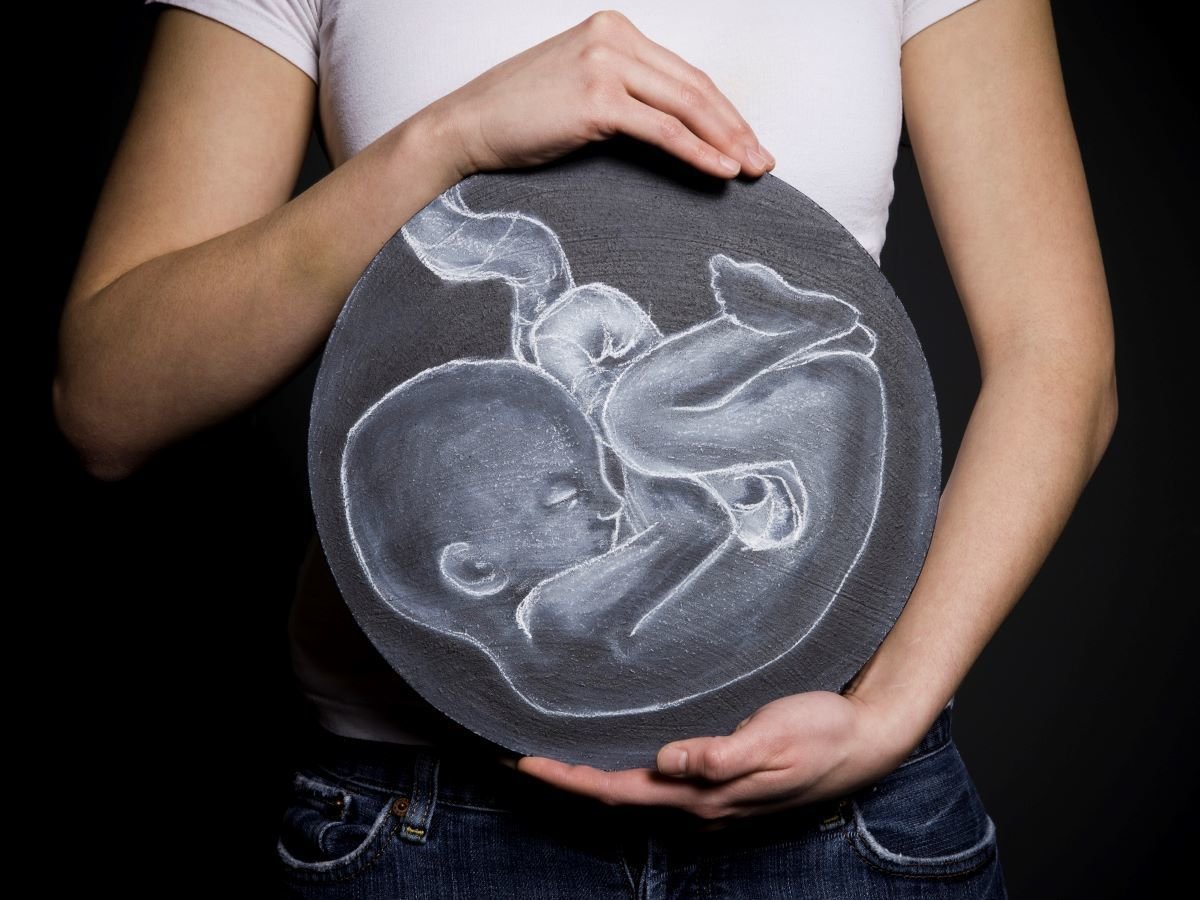
Have you ever considered how wondrously and beautifully made a snowflake is? Every winter, they fall by the millions, and no two are ever exactly alike. If that is true of snowflakes, it is even more so for humans: every human life is uniquely created by God. And that is why the millions of frozen, often forgotten embryos that are the products of an under-regulated fertility industry deserve a chance at life.
The Snowflakes Embryo Adoption Program found its name through this symbolic relationship. Since 1997, Nightlight Christian Adoptions has described the frozen embryos in their program as unique, delicate individuals, just like snowflakes.
I had the privilege of sitting down with the very first baby ever adopted through Snowflakes, Hannah Strege, now a licensed clinical social worker in Colorado and founding president of Wonderfully Made Adoption Services International. She has dedicated her career to a simple truth: these embryos are precious children, not objects to be discarded.
Hannah’s parents were walking through infertility when they were handed a donor list of embryos sorted by hair color, eye color, and IQ — similar to shopping for a car, not building a family. So, Hannah’s mother asked her doctor a question no one had asked before: did the clinic have embryos she could adopt? That question, carried to Nightlight’s Ron Stoddart and then Dr. James Dobson at Focus on the Family, became the seed of the Snowflakes Embryo Adoption Program. The name came that same year, and nearly three decades later, Snowflakes has grown into the largest embryo adoption program in the world, with well over 1,600 babies born through the program.
Her parents adopted 20 embryos. “I think God really had a place for me,” Hannah told me, “I was the only one to survive the freeze and the thaw and the transfer.” She was frozen for nearly three years before she was born, grateful that she “got to escape the freezer,” even as “the rest of [her] siblings didn’t.”
More than 1.5 million embryos remain frozen in storage across the United States, largely unchecked. As Hannah put it, “these children are frozen, and that’s not in their best interest.”
Hannah laments the loss of her siblings but sees the Lord using her story for something bigger than herself. “These are not spare parts,” she told me. “These are children deserving of a home and a chance at life … As my family shares my story, we get to share the Gospel through it, because God adopted us into His Kingdom. We’re sons and daughters of a King.”
Her own life is proof — Hannah’s childhood looked much like anyone else’s, evidence that development or method of conception does not determine a child’s worth. As she put it, “You don’t have to be biologically related to anybody to build a family.”
Scripture paints this beautifully. In Ephesians 1:5, we are told God chose us in love to be adopted as His own children through Jesus Christ. Every family who steps forward for embryo adoption does, in a small way, what God has already done for every believer: choosing a child who could not choose them first and calling that child their own.
As believers, we have received an adoption we did not earn, and that should shape how we steward the questions surrounding in vitro fertilization (IVF) and frozen embryos today. Although Hannah believes children should never be frozen and never treated as less than fully human from fertilization, many well-meaning families are advised to do just that. Hannah’s advice for couples wrestling with infertility is this: “I think you need to pray fervently, that God knows where your child is … in a third world country, in your community, or in a freezer … He’s going to direct your steps. We don’t need to be playing God … it’s important to just give it to Him.”
The fertility industry may have set out to help families grow, but it did not have a plan for the children that are frozen and left behind.
Embryo adoption redeems that overlooked consequence into one of the clearest living pictures of the Gospel available today: a story rewritten, a life given the chance to continue.
So, whether you are facing infertility or simply dreaming of growing your family, prayerfully consider this path. Every person is created with a unique purpose and deserves a chance to live the life God has called them to live. May the day come when each of the countless frozen embryos is given that chance, just as Hannah’s adoptive parents gave that chance to her.
Sarai McCullough is a Young Women for America (YWA) Chapter President. YWA, a project of Concerned Women for America, trains and mobilizes emerging young Christian female leaders to protect and promote biblical values and Constitutional principles through prayer, education, and advocacy in their high schools, colleges, and local communities.