An independent review has concluded that the Church of England repeatedly failed a survivor of alleged sexual and spiritual abuse by clergy, finding that both its initial response to her disclosures in 2001 and a later national safeguarding investigation left her “further traumatised”.
The review, commissioned by safeguarding charity Thirtyone:eight and carried out by Kevin Crompton, examined complaints made by Jane Chevous, co-founder of Survivors Voices and vice-chair of the Church of England National Safeguarding Panel. She has waived her right to anonymity.
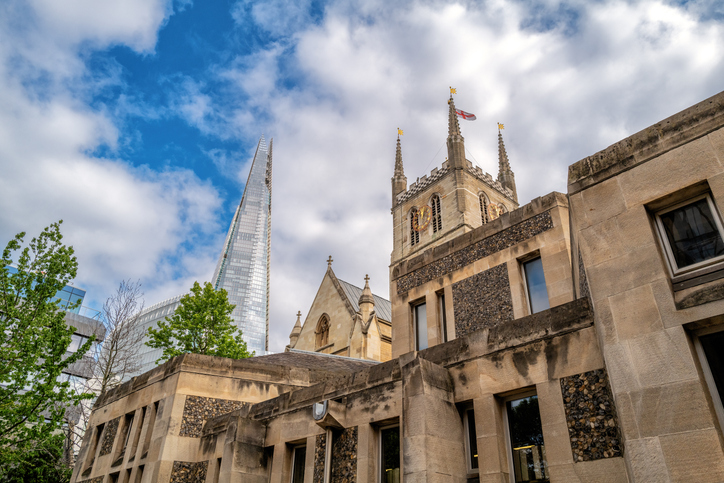
The complaints concern the Church’s handling of allegations against two former priests and senior clergy after they were first reported in the Diocese of Southwark in 2001. The events the complaints refer to occurred between 1979 and 1992.
While acknowledging improvements in safeguarding practice over the past two decades, the review concluded that the Church’s processes are not sufficiently survivor-centred or trauma-informed. It calls for significant reforms of the way abuse survivors are treated.
The review found that when Chevous, identified as ‘TT’ in the report, first came forward with allegations of abuse to the Diocese of Southwark in 2001, she received “anything but a compassionate response” and that the actions of certain bishops “were far from appropriate”.
“There was considerable support for the alleged perpetrator, but a lack of any compassion towards TT. This was evidenced in letters that were exchanged between senior clergy,” the report said.
Senior clergy focused on the welfare of the accused priest and encouraged Chevous to meet with the man she accused of raping her, while information shared with him resulted in legal threats against her, the review said.
Internal correspondence also described her using terms such as “gold-digger,” “unstable” and “hysterical.”
“Whilst there were no adult safeguarding policies in place at that time, TT was looking for a compassionate and pastoral response and an appropriate investigation into clergy behaviour in which the perpetrator would be held to account,” the report continued.
“Instead, the treatment she received by senior clergy in the diocese was deeply shocking and fell far short of the standards expected of senior clergy. Some actions that she reports were highly inappropriate and had the potential to compromise any police investigation. This caused further distress and harm to TT.”
The report rejected suggestions that the absence of formal adult safeguarding policies at the time excused the Church’s actions.
“Anyone who holds the office of priest should be expected to respond with compassion to someone in deep distress reporting that they have been abused,” the report said, adding that senior clergy failed to provide even the basic pastoral care expected of a priest.
The review concluded that the Church’s response had devastating consequences for TT, contributing to severe mental health difficulties, self-harm, suicide attempts, and a loss of faith as well as years of counselling. It describes her as having been “re-traumatised” by the Church’s handling of her disclosures.
The review also examined a National Safeguarding Team (NST) investigation carried out between 2019 and 2022 after TT reported her allegations again.
Although the review praises individual safeguarding staff for their commitment and recognises examples of good practice, the investigation was found to have suffered from delays, poor communication, staff turnover, inconsistent record keeping and inadequate explanations of the process to the survivor.
A central criticism was that the NST investigation focused almost exclusively on assessing current safeguarding risk rather than addressing the needs of survivors.
According to the report, TT had hoped for acknowledgement of the harm she had suffered and an apology, as well as accountability and some form of restorative justice. Instead, the review found that the safeguarding process was not designed towards these and it therefore had a profoundly negative effect on her mental health.
The review concluded that a separate pathway is needed so that survivors can seek restorative justice and acknowledgement of the harm done to them alongside any safeguarding investigations that are being carried out.
Elsewhere in the report, investigations were criticised for not being thorough enough. The review questioned decisions not to interview one retired bishop who had moved overseas and said opportunities to pursue further enquiries and restorative approaches had been missed.
The Bishops of Oxford and Southwark were commended, however, for taking additional steps after the NST investigation had concluded, in order to provide what one bishop described as “the right moral response”. This was found to be “extremely helpful” for Chevous.
Among its wider conclusions, the review found that safeguarding culture varies significantly between dioceses and depends heavily on local leadership.
Echoing recommendations made in the Makin Review and Professor Alexis Jay’s review of Church safeguarding, the report backed the creation of a fully independent body to oversee safeguarding free from the influence of senior church leaders, while stressing that diocesan bishops remain responsible for establishing healthy safeguarding cultures within their dioceses.
The review concluded that Chevous’ experience highlighted the need for the Church of England to move beyond a narrow focus on risk management and adopt a safeguarding system that is consistently survivor-centred, trauma-informed and capable of providing acknowledgement, accountability and, where appropriate, restorative justice.
“The experience of TT along with that of other survivors highlights the importance of ensuring a more survivor-centred, trauma-informed process when working with those who have been abused so that none feel re-traumatised as a result of disclosing abuse and harm within the Church,” the report said.
Speaking at the conclusion of the review, Chevous said that a “culture of defensiveness and victim-blaming” withing the Church of England “needs to be replaced with one of openness, integrity and moral bravery”.
“The abuse itself caused profound harm, but the Church’s response has been re-traumatising, removing my sense of safety and affecting every aspect of my life: my mental health, my faith, my work and my family,” she said.
“The battle to be heard, the repeated betrayals and lack of care have nearly destroyed me and at times the pain became so overwhelming that I attempted to end my life. I am fortunate to have found good support, especially from fellow survivors.
“Others are destroyed by the process, and I am mindful of four known to me who took their lives in recent years.”
She continued, “For too long, the Church has protected institution and process over those who were harmed, losing compassion, humanity, and sight of its own mission.
“The Church has invested significantly in safeguarding, and I have met many dedicated professionals through my work on the National Safeguarding Panel. However, this review shows trauma-responsive practice and justice, accountability and healing for survivors cannot be achieved through compliance with policies and procedures alone.
“True safeguarding needs the courage to take responsibility for harm caused and the willingness to sit with survivors and meet their pain with true care and compassion.”
The Church of England’s Lead Safeguarding Bishop, Bishop Robert Springett, and the National Director of Safeguarding, Alexander Kubeyinje, said they were committed to learning from the review.
“We would like to pay tribute to TT for the courage, determination and perseverance she has shown in engaging with this review, which has looked at both when she originally reported in dioceses and then came to the National Safeguarding Team in 2019,” they said.
“We are deeply sorry for the abuse she reported, and for the profound impact it has had on her life. We are also sorry that her experience of Church safeguarding left her feeling unsupported and further traumatised.
“We welcome the publication of this review, which was commissioned following the Archbishops’ Council appointing Kevin Crompton to look at the work promised by the former Independent Safeguarding Board, ISB. It raises important issues about how the Church of England responds to survivors, and about trauma-informed practice, communication and accountability.”
Anyone affected by the issues raised in this article can contact Thirtyone:eight’s helpline or the Church of England’s National Safeguarding Team.