There was perhaps no couple better known in colonial America in the lead up to the Revolution than John and Abigail Adams. John, through his political efforts, and his wife, Abigail, through her widespread and deeply learned correspondence, were household names in the colonies. So, when John Adams stood up before the Second Continental Congress, the first functional government of the 13 rebelling states, and yelled at the top of his lungs: “I will be…Everybody must be a soldier,” everyone in the room loved the enthusiasm but doubted the speaker, who was after all rather short and somewhat stout. He had more of the bearing of a baker than a general. But his inspired admonition made a central point: everyone had to fight, in whatever way their best talents might, in a sacrifice for the Revolution, if it was to be won.
And it was John Adams himself who did more at the beginning of the war than any other to determine its eventual outcome; for he became, in himself, the administrative personnel department of a revolution.
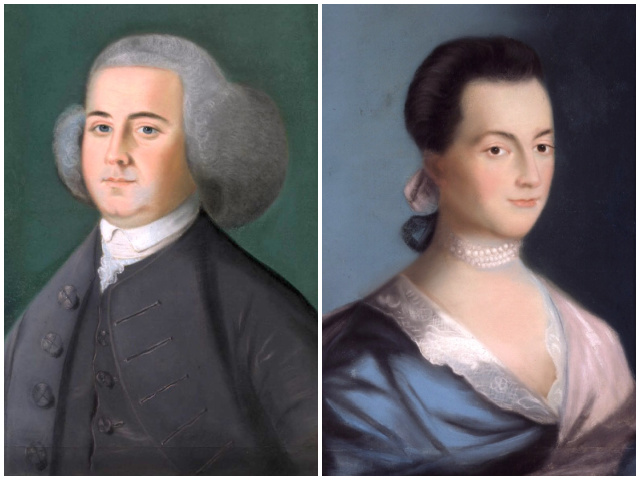
Portraits of John and Abigail Adams in 1766 by Benjamin Blyth. (Wikimedia Commons)
He first moved that the Continental Congress invest George Washington of Virginia with the powers of General of all the Continental Armies. Who today can conceive of the Revolution being won or the nation being so well founded, were it not for Washington’s utterly unique and unselfish place in our history? If any other person were chosen at this critical point, America might have become a tyranny in victory, as France did under Bonaparte, or it might have become fractured in defeat and remained a series of weak, ineffectual colonies. Washington alone could seize a victory and secure our liberty in the unprecedented way he did.
Secondly, Adams proposed that Thomas Jefferson, one of Abigail’s most frequent correspondents, be tasked with writing a Declaration of Independence. Again, can anyone imagine another author’s words being so capable of stirring a world to freedom? Who else could have penned: “When in the Course of human events, it becomes necessary for one people to dissolve the political bands which have connected them with another, and to assume among the powers of the earth, the separate and equal station to which the Laws of Nature and of Nature’s God entitle them, a decent respect to the opinions of mankind requires that they should declare the causes…”
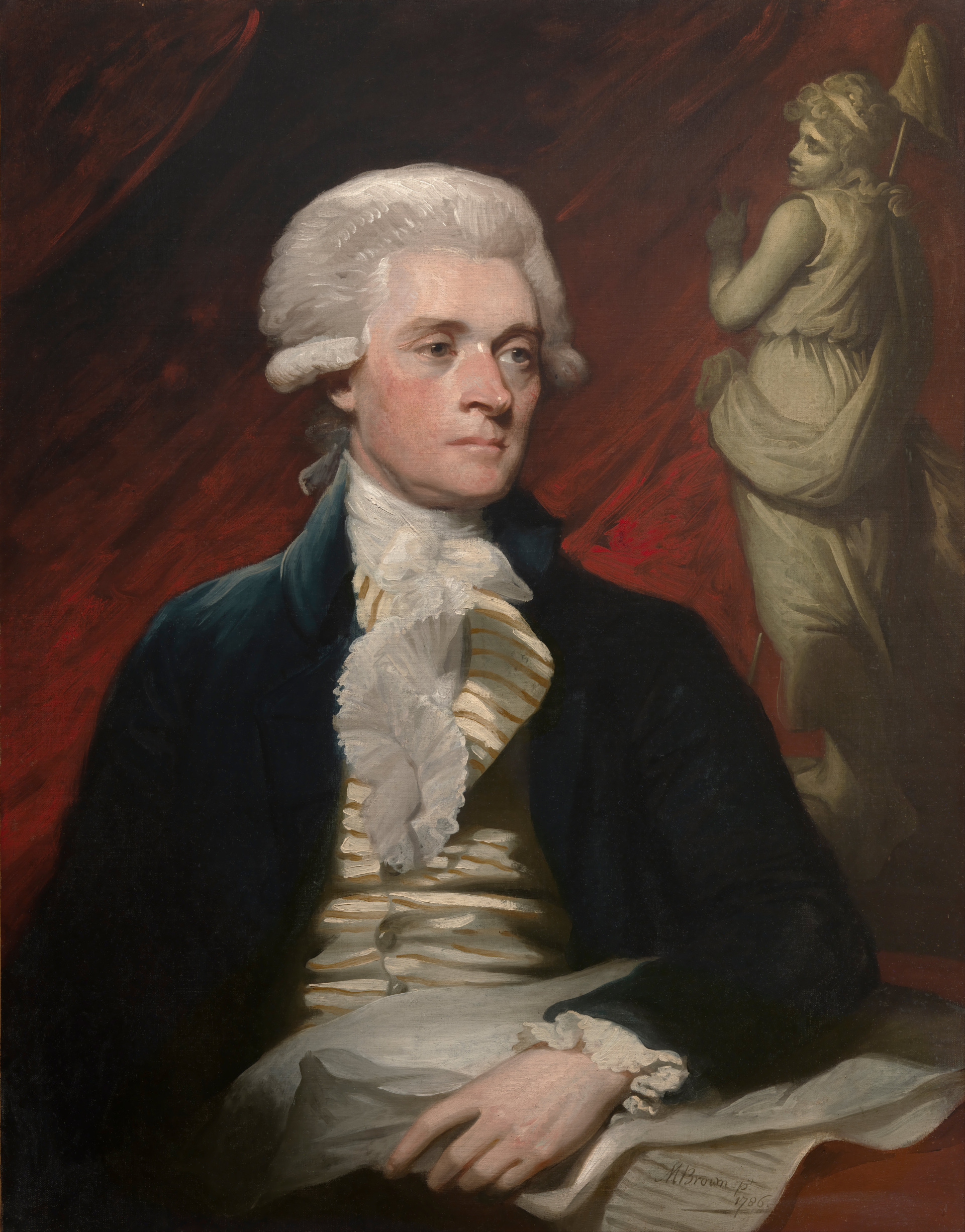
Portrait of Thomas Jefferson in 1786 by Mather Brown. (Wikimedia Commons)
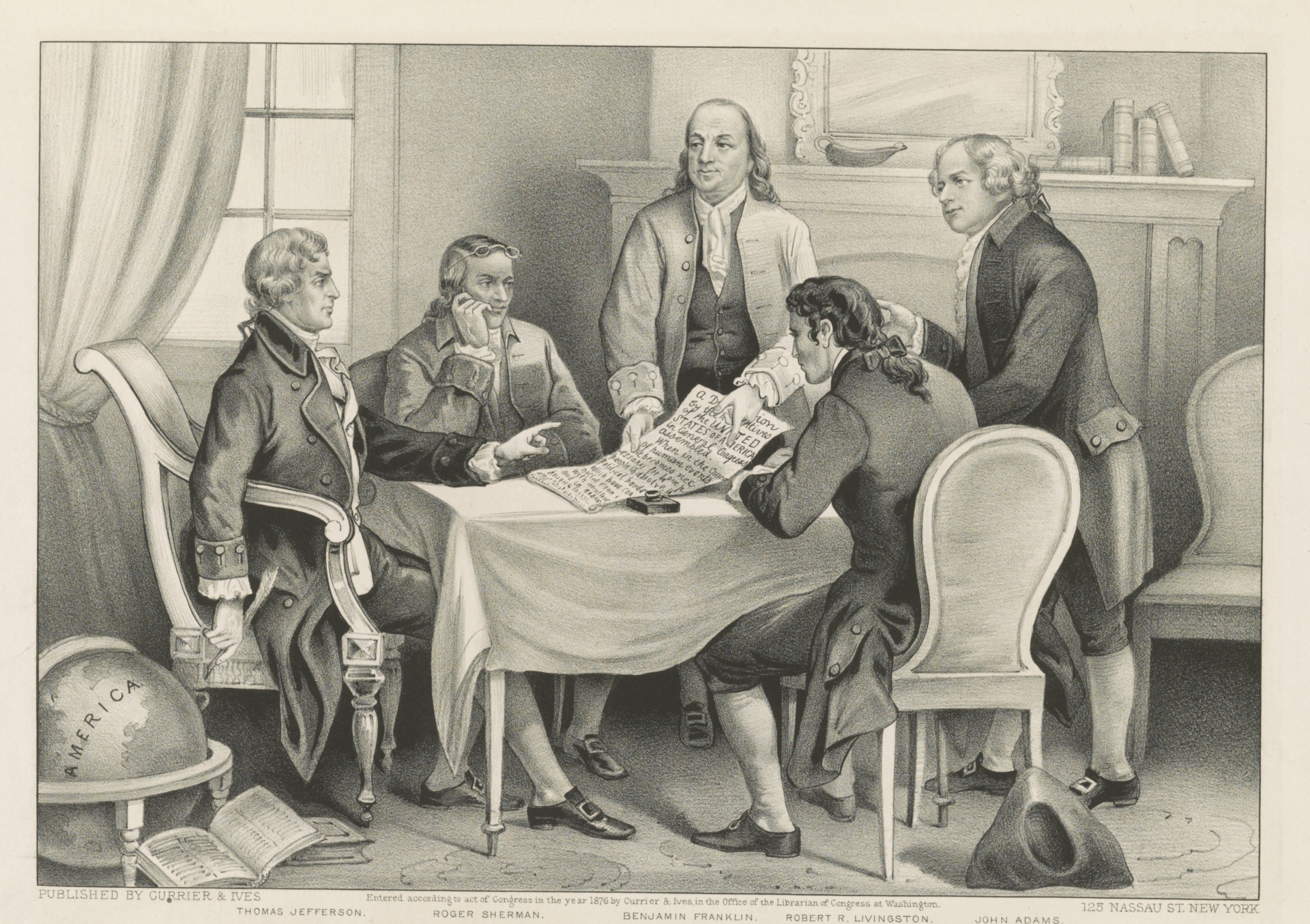
A lithograph published by Currier & Ives in 1876 showing the committee to draft the Declaration of Independence. Shown from left to right: Thomas Jefferson, Roger Sherman, Benjamin Franklin, Robert R. Livingston, and John Adams. (Sepia Times/Universal Images Group via Getty Images)
Lastly, to ensure that representative government was given a firm hold in every new state, so none would stray into tyranny, he directed the leaders of each state’s assemblies to write their own constitutions separating themselves from England. Most of the constitutions written followed the design John and Abigail Adams prescribed in John’s own pamphlet on the subject: Thoughts on Government, securing that each state became a constitutional republic unto itself, as they remain to this day.
While John Adams did his duty of being the everyman, forever at work and on the road for the early nation, Abigail Adams had to remain the center of their home for their children, and a leader of their church and school, and with John’s absence, the CEO of the family farm and business. Like most of the women of the revolutionary generation, Abigail’s role in society adapted and expanded to become one that was soldierly through her immeasurable sacrifices.
Another Bostonian woman of the Adam’s acquaintance also had a sacrifice to make for the success of the war. Lucy and Henry Knox owned The London Bookstore which was renowned among colonial British society because of its collections of recently published works and first folios. The bookstore became a locus of intellectual gatherings. The Knox’s were firmly ensconced in the upper strata of Boston’s business leaders, until they witnessed the Boston Massacre and decided to abandon their relatives, their home, their business, and their place in society. They abandoned everything they had to become rebel fugitives; they fled under the cover of night for the single promise of freedom. When the occupying British army found the Knox’s had joined the rebellion, the soldiers looted The London Bookstore and burned much of its literary stock.
Henry Knox didn’t just lie around the bookstore he once owned; he was a voracious reader, whose favorite subject was the science of war, particularly the physics, trigonometry, and strategy necessary to the practical use of artillery. John Adams knew Henry Knox, noted his avid interests, and recommended him to George Washington’s Continental Army.
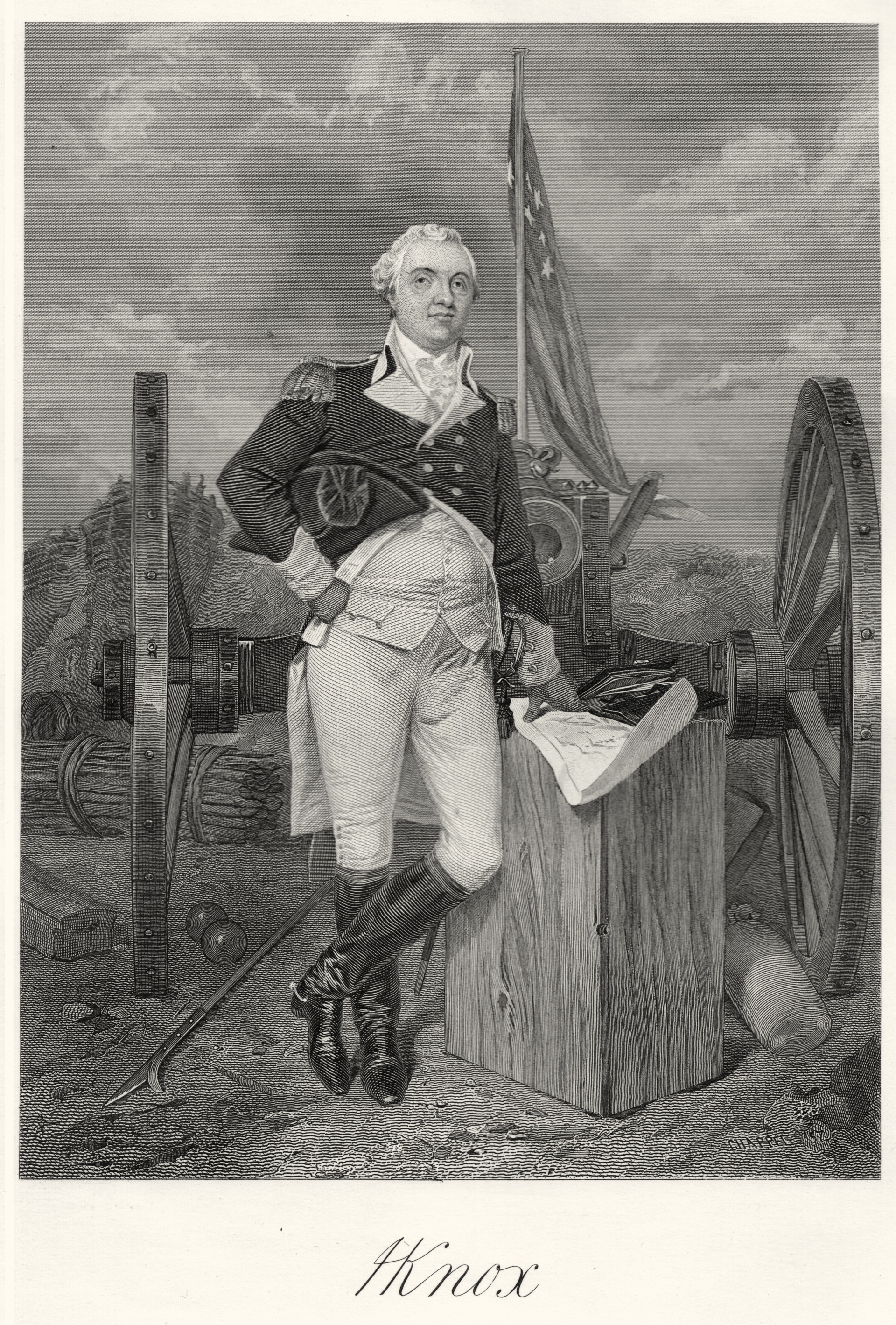
Portrait of Henry Knox by Alonzo Chappel. (Wikimedia Commons)
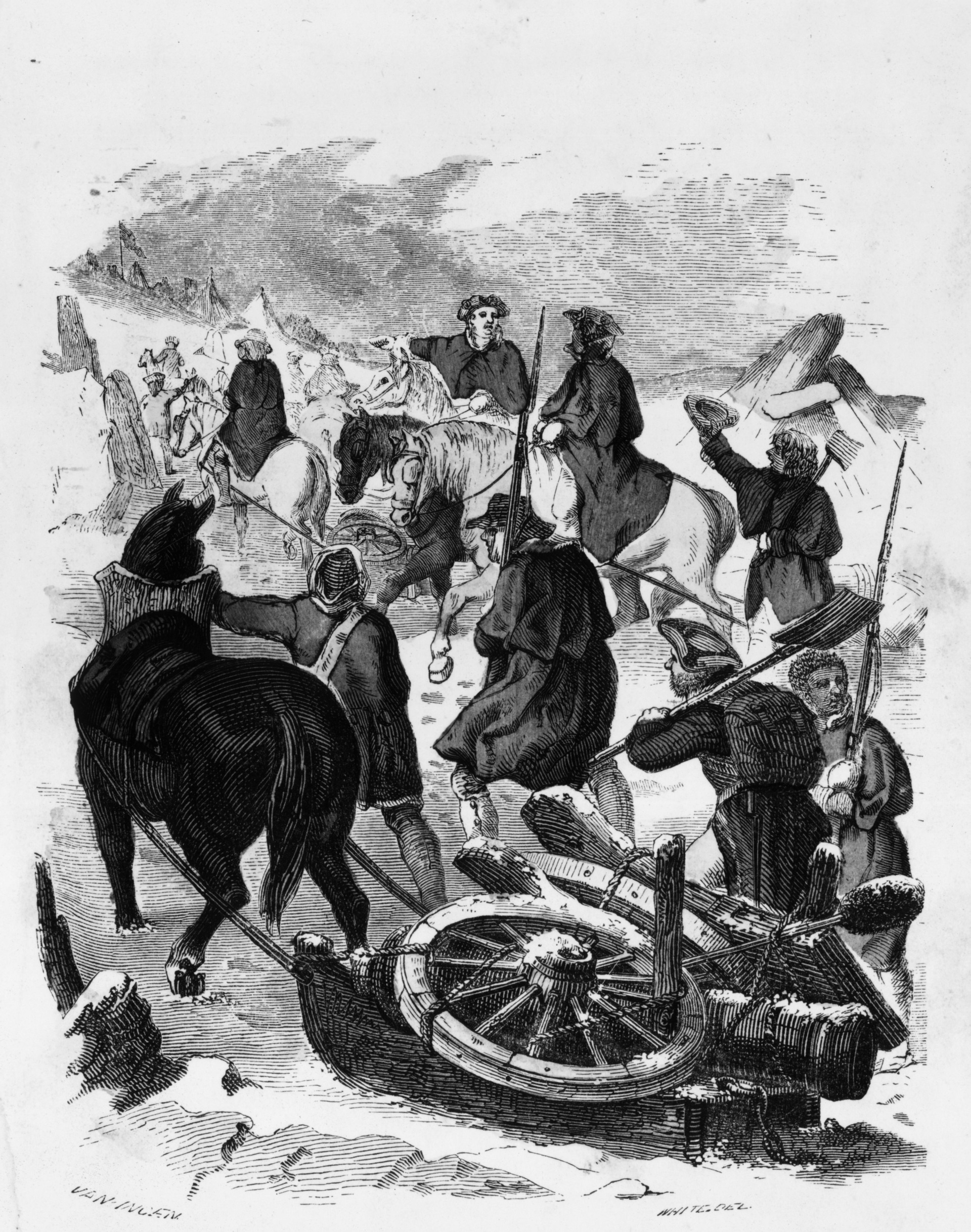
Colonel Henry Knox, Washington’s chief of artillery, brings guns and mortars from Fort Ticonderoga to Boston in 1776. Engraving by Van Ingen. (MPI/Getty Images)
The bookish Knox’s first assignment was to go north 300 miles to the fortress of Ticonderoga, recently captured by Ethan Allen’s 200-man volunteer force. Knox arrived at the stronghold on December 5 and began to organize one of the greatest logistical feats of the war. The former store clerk turned soldier, moved 120,000 pounds of heavy ordinance, over raw mountainous terrain, using oxen, horses, wagons, and carts for the over 300-mile journey back, in the dead of winter, to Dorchester Heights on the outskirts of Boston, which commanded a perfect artillery view of The London Bookstore. There, 1,200 workmen joined George Washington’s 800 soldiers creating an earthwork ridge so commanding over Boston that when England’s General Howe awoke to his army’s sudden peril, he immediately ordered the British fleet to enter the harbor and help remove his occupying army. The city of Boston remained free for the duration of the war. And Henry Knox remained George Washington’s most trusted artillery officer.
George Washington left Boston to engineer defensive works in New York, where he was attempting to defend the harbor without the benefit of a navy, while opposing the greatest naval armada England had ever set to sea. To inspire his troops exactly 250 years ago this 4th of July, George Washington assembled the Continental Army on the New York City commons and had the entire Declaration of Independence read aloud so every member of his forces would know they were fighting on the front lines in an unprecedented war for the rights and freedoms of all humanity. It was where John Adam’s human resources capabilities came together perfectly.
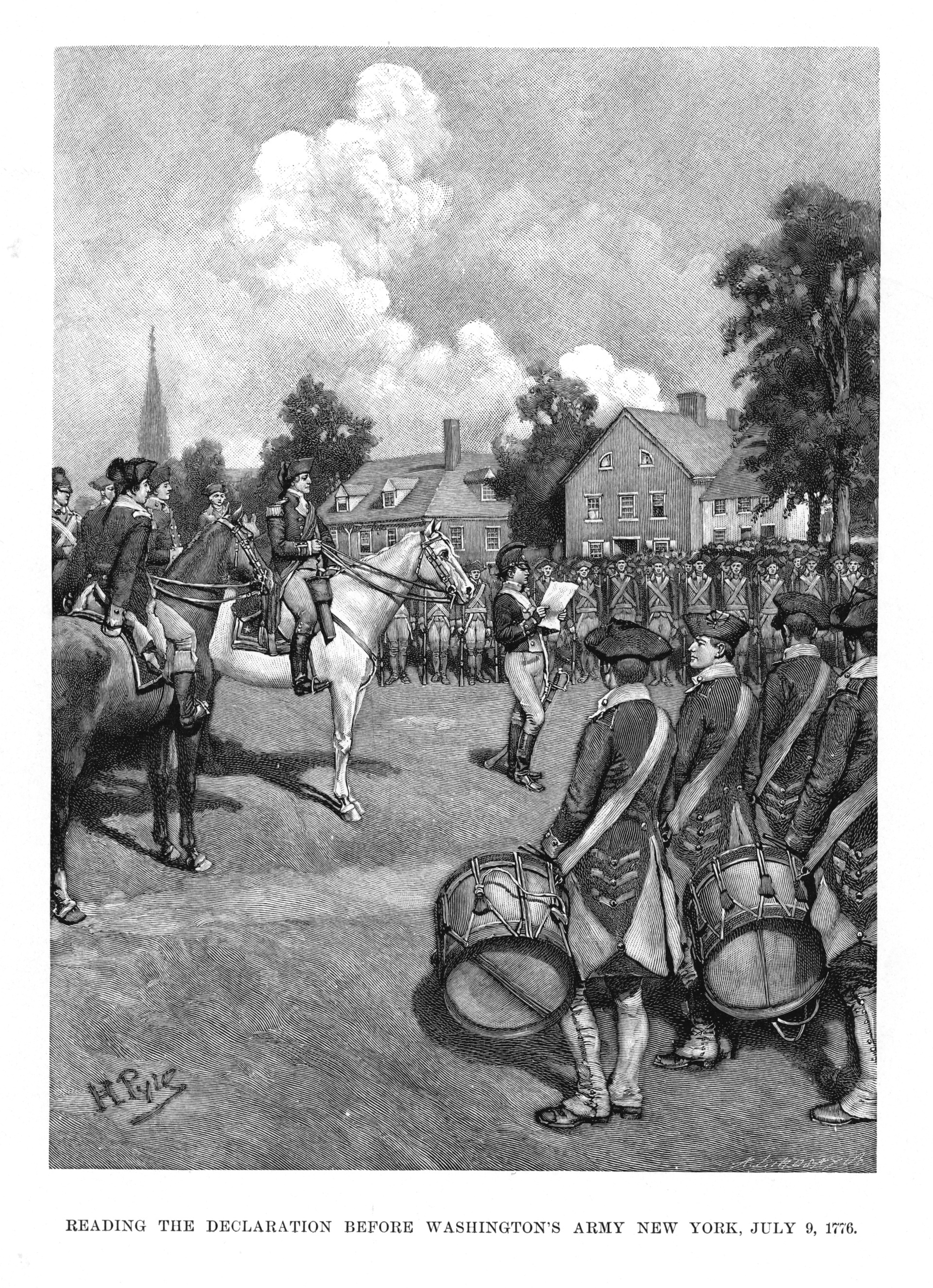
Illustration showing the reading of the American Declaration of Independence before General George Washington’s army in New York City on July 9, 1776. (Interim Archives/Getty Images)
Though the Battle of New York was a defeat for the Continental Army, it was not for want of bravery. When Washington determined he had to vacate New York for his army to survive and fight another day, the American left flank caved in and one Mordecai Gist, a merchant who became a soldier, who had raised and equipped the 270-man 1st Maryland, was ordered to cover the retreat. Facing 2,000 professional Scots Highlander soldiers behind fixed fortifications, Gist did not retreat – he attacked! When the charge was repulsed with heavy losses, Gist gathered the remains of his regiment and struck the Highlander’s center again and drove them back, effectively covering Washington’s retreat that day to Brooklyn Heights. Of Gist’s proud Maryland regiment of 270 volunteers, who had left their wives and children, who had left their homes and livelihoods to fight on the front lines for the Declaration, only eight were left alive…262 of the 1st Maryland died to save 9,000 soldiers’ lives, so that the young, rebellious country could survive.
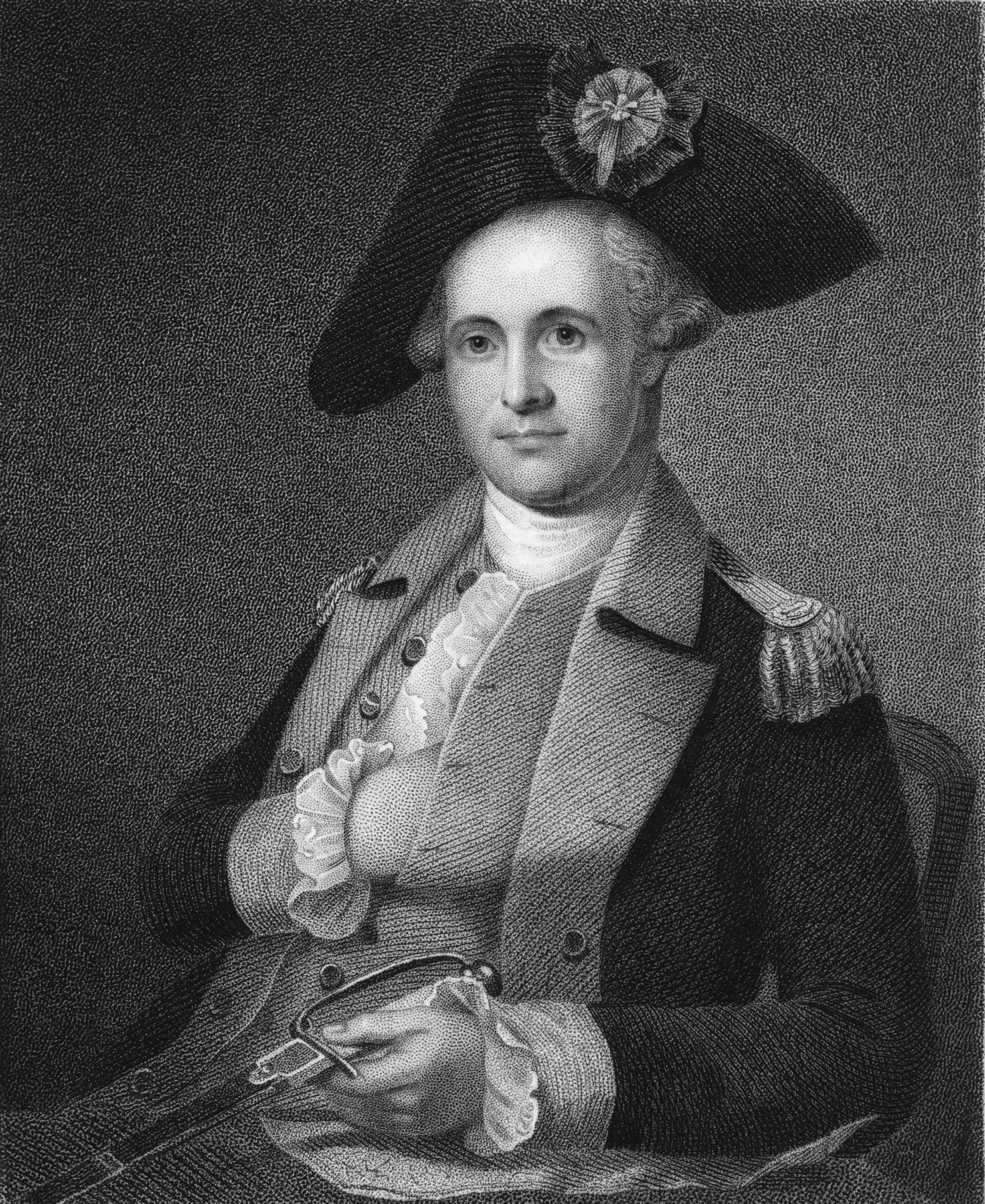
American General Mordecai Gist, circa 1780 from an engraving by W. A. Wilmer. (Kean Collection/Getty Images)
Washington knew another man like Mordecai, named Nathanael Greene, who had been a very successful owner and operator of an Iron Works factory in Rhode Island; and like Gist, Greene had raised his own troops of militia and at their head, proved to be a great military officer. But during the winter at Valley Forge, where a quarter of the soldiers had no suitable clothing, only burnt dough, called fire cakes to eat, and barely enough shelter to survive freezing, Washington turned to one of his favorite officers and told him he had to lose his best field commander if they were both to win the war. Washington ordered Greene to become the quartermaster general of the American army. A dumbstruck Greene objected, “Nobody in history ever heard of a quartermaster!” Greene loved the glory of battle! Washington objected that his strength and experience were needed to save the army; and from that point the hardships suffered at Valley Forge began to ease.
After Greene had stabilized the means of army supply in the north, Washington assigned him a harder role still. Greene was assigned to supply, discipline, and put into the field the often-defeated militia armies of the Carolinas. General Greene literally became a beggar, hat in hand, to raise all the funds he could in the north, and then marched south, to Hillsboro, to train whatever remained of the Carolinas’ fighting forces.
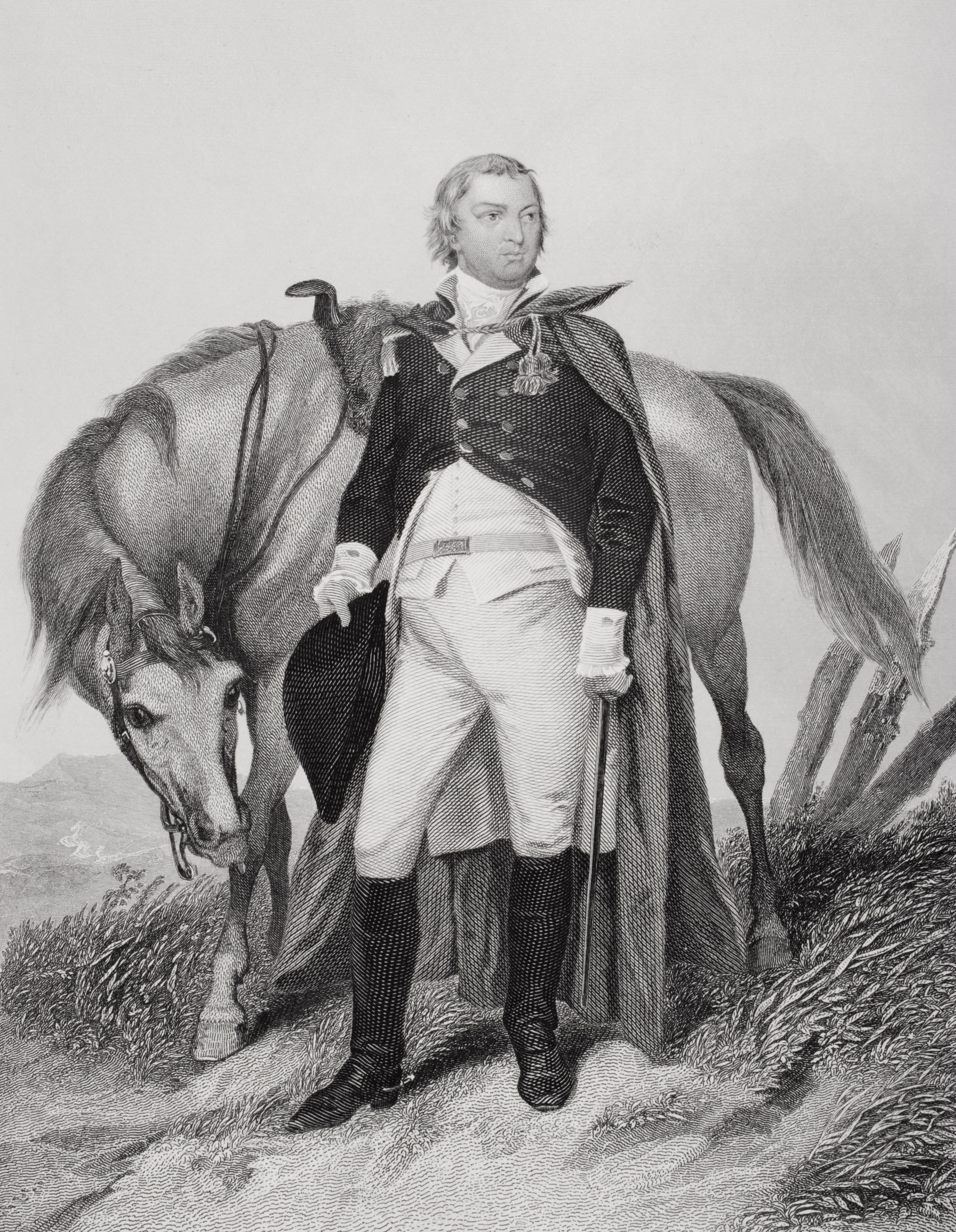
Engraving of Nathanael Greene from a painting by Alonzo Chappel. (Universal History Archive/Getty Images)
When he was ready to face Britain’s General Charles Cornwallis, he did not fight on England’s terms of rank-and-file marches of squared formations at a steady beat of attack or retreat. Greene decided to prosecute a “fugitive war” attacking portions of the enemy based on best opportunities, while using the natural defenses of the country. What resulted was an enemy that became worn out with constant marching, while being terrified of attacks that were often surprising and which always sapped Britain’s strength in numbers and morale, until finally, Cornwallis could not afford another victory, let alone a defeat. Cornwallis’s exhausted force maneuvered north into Virginia to meet an eventual date with destiny in Yorktown.
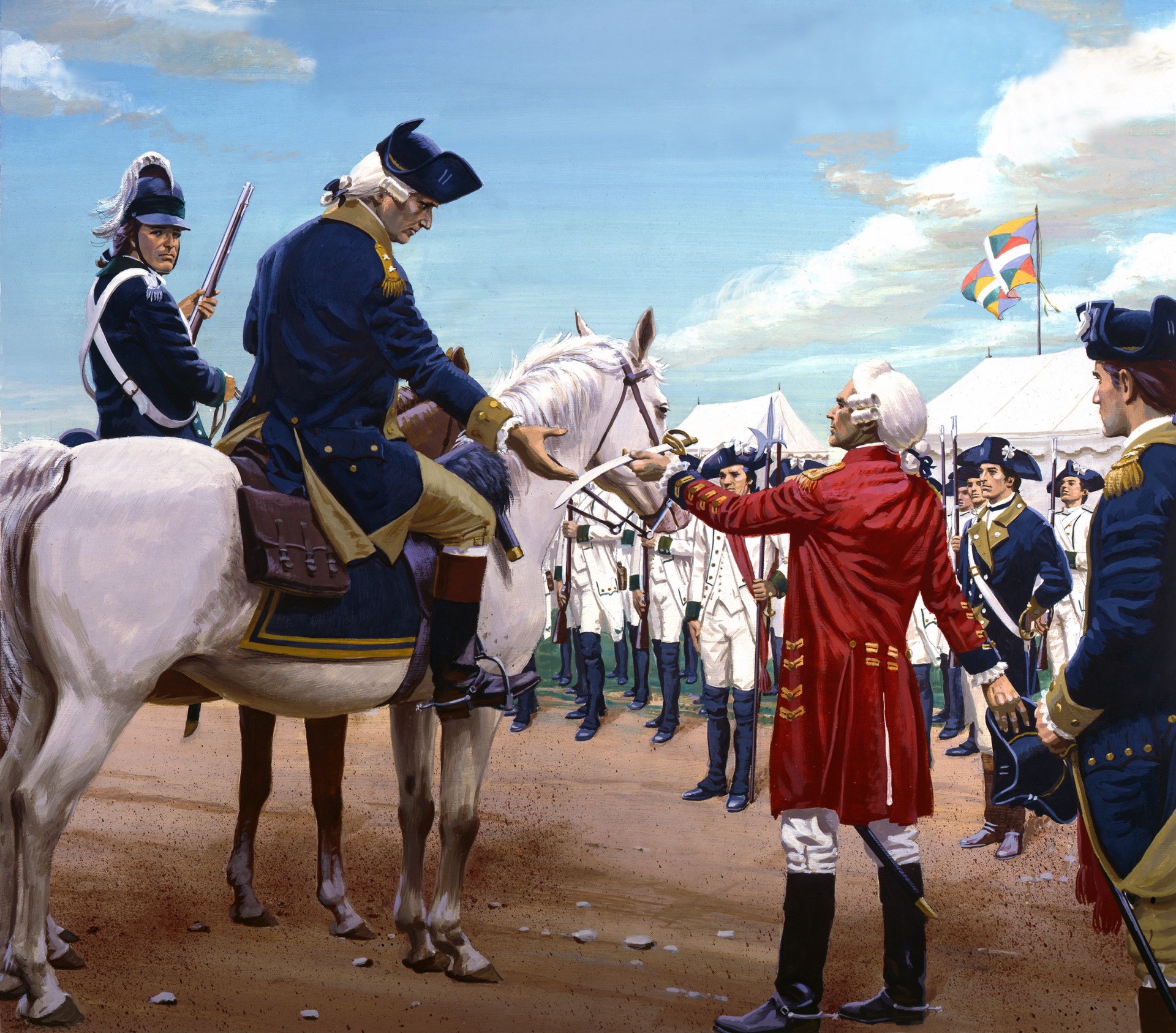
A painting depicting General Lord Cornwallis surrendering his sword and his army to General George Washington and the Continental and French armies after the battle of Yorktown on October 19, 1781 in Yorktown, Virginia. (Ed Vebell/Getty Images)
Abigail Adams had a counterpart in the south, as strong and resolute as herself. Elizabeth Hutchinson Jackson was a widow who managed her family’s enterprises and lands after her husband’s death. To add to the sorrow of being widowed, Elizabeth’s eldest son died fighting the British at the battle of Stone Ferry. When the battle of Waxhaw Creek bled into the Jackson lands, she and her teenage sons fought to defend their home and family. Her boys suffered deep saber wounds, were seized for defending their property, and marched 40 miles to a military prison at Camden, South Carolina.
Elizabeth Jackson followed the march of her sons. While in prison, 16-year-old Robert contracted smallpox, and Andrew, then 13, developed malaria. Finally, a prisoner swap was arranged that freed them both. But to add to Elizabeth’s sorrows, as they marched through a torrential storm, Robert died on the way home. Elizabeth went on to try to free her nephews held in a Charleston prison, but she died there of smallpox, leaving her family one sole survivor, her son, who after his tragic childhood, became the 7th President of the United States, Andrew Jackson.
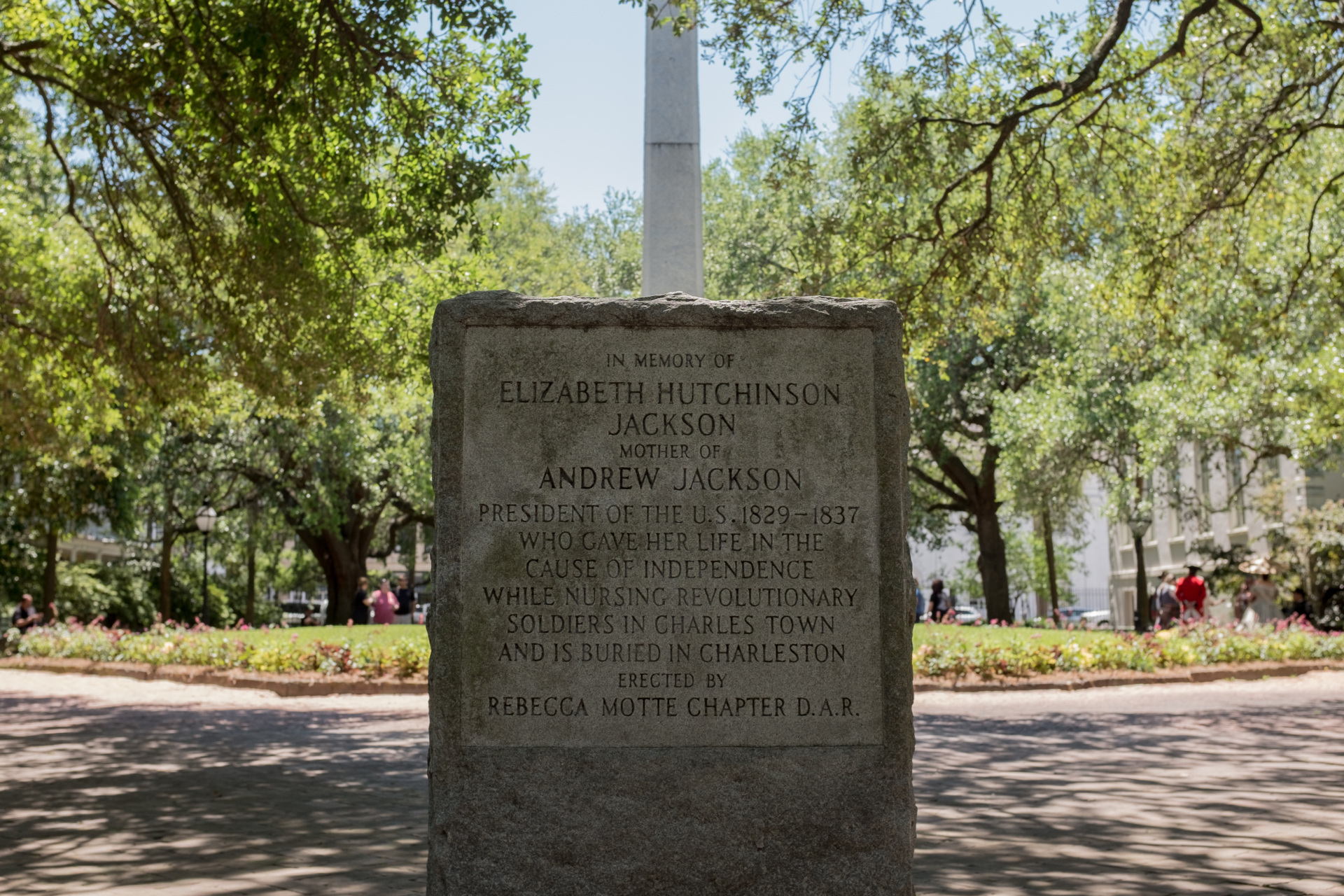
A plaque located in Charleston, South Carolina, commemorating the memory of Elizabeth Hutchinson Jackson (circa 1740 – 1781). (Epics/Getty Images)
John Adams never became the soldier he wanted to be, but he served as hard as any soldier for the Revolution in a different capacity. Abigail Adams by her sacrifices, like most of the women of her generation, fought in their own literally irreplaceable ways as hard as any soldier. Such adaptations turned Mordecai Gist from a merchant into a field commander; Henry Knox, a bookstore owner, into a general of artillery; Nathanael Greene from a foundry owner, to a field commander, into a beggar, and back again. And Elizabeth Hutchinson Jackson became a soldier who was as brave as any ever could be. They each needed to serve in their unique ways for a single cause: a common freedom for everyone, from that day to this.
These are just a few of the thousands upon thousands who are all bound together for having sacrificed their livelihoods, their homes, their families, and their lives for the one common cause: a common liberty, unprecedented in history, that was announced in our Declaration of Independence, whose 250th anniversary we celebrate.
The question for our generation is whether we understand what that sacrifice was for and whether we deserve all that a generation of sacrifices did to establish the freedoms and blessings of our nation.
Richard C. Lyons is the author of a three-volume work: The DNA of Democracy Series, which covers the how and why behind our government as it was founded, and the how and why behind how it has changed over the past century, as it has moved away from the original virtues of our Constitutional Republic. He is also the author of But By The Chance Of War, a philosophical study of the history and present day implications of war, whose ending is profoundly prescient of the present day wars in the Middle East. You can follow his work at richardclyons.com.