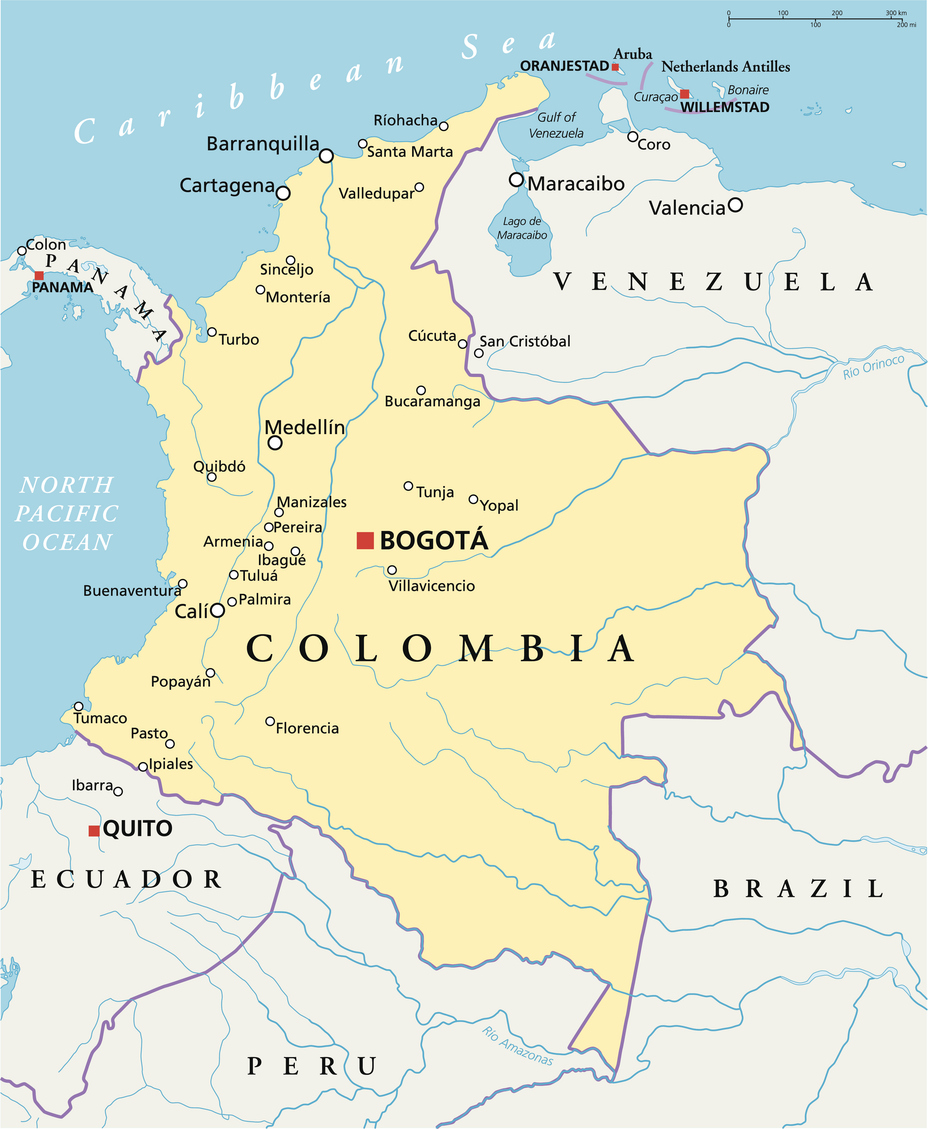
A new campaign has been launched aimed at restoring special protection to religious leaders in Colombia, following a series of killings and kidnappings by armed groups.
The campaign zeroes in on Decrees 1066 and the National Protection System (NPS). In 2023 the government removed religious leaders from the list of people considered particularly vulnerable to attack, meaning they no longer have access to special security and protection programmes.
Christian Solidarity Worldwide, which is behind the campaign, said that since December 2024, 11 religious leaders have been killed, disappeared or kidnapped.
Among them was Pastor José Otoniel Ortega, who was shot and killed by gunmen while celebrating at a New Year event.
In another case a mass grave holding the remains of eight religious and social leaders was discovered. The Colombian prosecutor’s office claimed the dead were murdered by a group called Frente Armando Ríos, an offshoot of the FARC guerrilla group.
The six men and two women were allegedly called to a meeting by the group, who wanted to investigate rumours that a rival militia might be setting up a cell in the local area.
Religious leaders are often targeted by such groups, who can perceive them as a focal point of opposition to their activities.
CSW’s campaign goes hand in hand with a petition that will be handed to the winner of the presidential election, which is due to take place on 31 May.
CSW’s Director of Advocacy and Americas Team Leader, Anna Lee Stangl, said, “Over the past two years Colombia has returned to levels of violence reminiscent of the darkest days of the country’s decades-long internal conflict.
“As voices of peace, justice and freedom in their communities, religious leaders are obvious targets for the illegal armed and criminal groups that continue to spread fear throughout the country.
“Whoever wins the upcoming presidential election in Colombia must make the promises of ‘total peace’ on which the current government was elected an utmost priority, including by recognising the specific vulnerability of religious leaders and restoring their access to government protection programs and security mechanisms.”