
Yooka-Replaylee is a great reimagining of the enjoyable yet flawed 2017 original, yet for many the lack of a 60fps performance mode on Switch 2 was disappointing.
Well, the good news is that it’s finally here! After months of painstaking work to optimise the game, Playtonic has dropped a new 60fps mode for all owners on Switch 2, and it’s legit great. How do I know? Well, the studio kindly invited me over recently to test it out and speak with the game’s Software Lead, Simon Gerges.
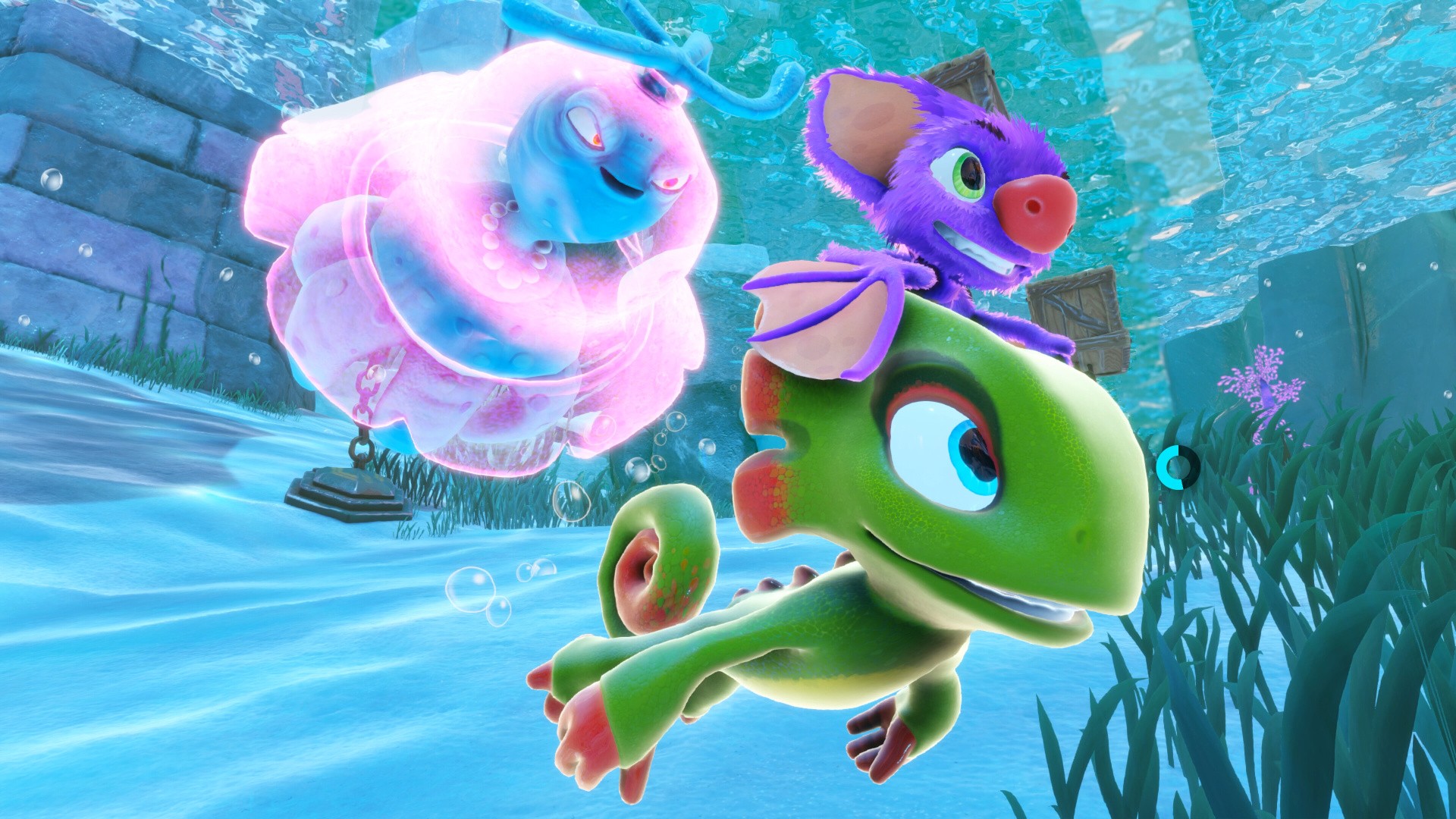
I spent roughly an hour and a half with the new performance mode, hopping between several levels to see whether it could hold up under varying conditions – it absolutely does. Though there may be minuscule dips now and then, it certainly wasn’t noticeable to the naked eye in both docked and handheld. This is a game that — at least from my time with it so far — has been optimised to near perfection on Switch 2, delivering a smooth gameplay experience with minimal alterations to the visuals.
That’s not to say that the presentation has been completely untouched, mind. Shadows have slightly less clarity while assets in the far distance look slightly fuzzier. That said, I really had to study the visuals closely to notice any differences, flipping between fidelity and performance modes in the pause menu a few times to pick anything out.
Playtonic’s done a cracking job, then. To find out a bit more, I spoke with Simon, the mastermind behind the new performance mode. We touch on why 60fps wasn’t available at launch, what visual changes needed to be made, and the size of the update. Give it a read before you run off to download the update.
Nintendo Life: Could you give us an overview of the work/process of building this S2 performance mode, and why it wasn’t part of the original plan for the Switch 2 version?
Simon Gerges: Although it’s flattering to be compared with some of the major studios out there, I think people forget we’re a relatively small indie team. We’re proud of simultaneously delivering Yooka-Replaylee across all major platforms on day one, and that this included a great-looking version on Switch 2.
It’s easy to underestimate the challenge it is to get a game like this to run at higher frame rates. Yooka-Replaylee’s worlds are large and full of life, and the player has completely free rein to move wherever they want, and face the camera in any direction they want. This can mean we have thousands of objects that need to be drawn at any one time, as well as all the new graphical effects we have brought to the remake, this is all very costly both on the CPU and GPU.
The process to provide a performance mode is a long one, painstakingly profiling problem areas of each level, not only diagnosing noticeably costly areas for optimisation, but also requiring tackling countless smaller optimisations that all add up to something that helps. It’s a very time-consuming process. We have had to restructure much of the backgrounds, as well as making many optimisations that set us back a long way in terms of stability, which takes time to regain.
Following launch in October last year, when did work on the update begin?
Optimisation began before launch, we of course would have loved to have had it ready by then, but when a game is in its final stages, it’s not possible to make some of the changes that were necessary whilst maintaining the stability required to release the game. Therefore, much of it had to occur after the launch period.
Hindsight is great, but did you anticipate negative player reaction to the S2 version being 30fps prior to release?
We have chosen to use FSR for our performance mode, and are now using Unity’s impressive Spatial Temporal Postprocessing for our Fidelity mode.
Of course, we are all gamers too! For some of us it’s not an issue at all, but for others, they’d love to play the game at 60fps.
It often comes down to what you’re used to. We knew to expect some negative reaction, but similarly we knew that even more would have been upset to have to wait a further six months to play the game when they were more than happy to play the fidelity mode at launch.
Have you utilised any of Nintendo’s own brand of DLSS in order to achieve this 60fps goal?
We haven’t been able to yet, with new technologies, sometimes these things take time to become available in different engines and renderers. We have chosen to use FSR for our performance mode, and are now using Unity’s impressive Spatial Temporal Postprocessing for our Fidelity mode.
DLSS and Nintendo’s upscaler are becoming available now and we look forward to seeing what they can do for us in future.
Is there a challenge or obstacle you’ve overcome while building this that you’re particularly proud of?
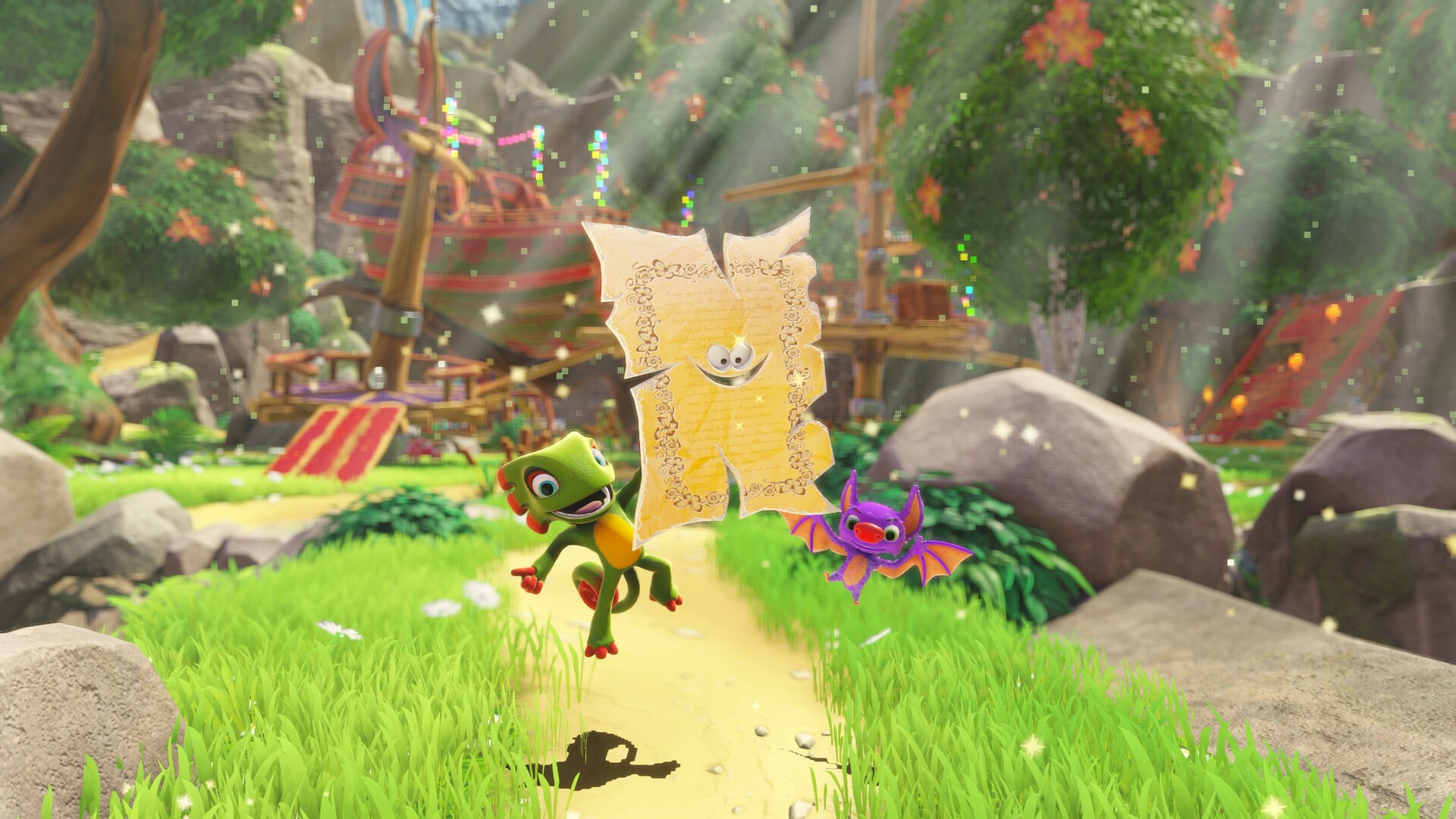
It would have been easy for us when setting out on this goal to chop and change the levels drastically, removing many incidental props and reducing the quantity of enemies, but we adamant we didn’t want the game to be any different at all.
We’re very happy that we’re offering the exact same game and level setup that any other version or quality mode the game has, on any platform.
I noticed some minor visual adjustments in the new performance mode – for example, shadows have slightly less clarity. How did you decide which aspects of the visuals to adjust to achieve 60fps?
This is a huge balancing act, and one that has been a big challenge across all the versions of the game across all platforms. This is where the tech team and art team come together, and we discuss the cost of each of our options and weigh up and decide what we think gives the best bang for buck.
There are so many variables at play; resolution, render scale, post effects, shadow quality, grass, water, lighting, and fog settings, to name a few, that all need to be considered and evaluated. And these can’t be fully finalised until we know we have optimised as much of the game as possible.
We’re pleased in that many of our optimisations have allowed us to provide a great-looking performance mode at 60fps, and it has also meant we’ve been able to improve our fidelity mode further, too.
Performance seems very similar across both docked and handheld. Were there any additional challenges to get it running at 60fps in handheld mode?
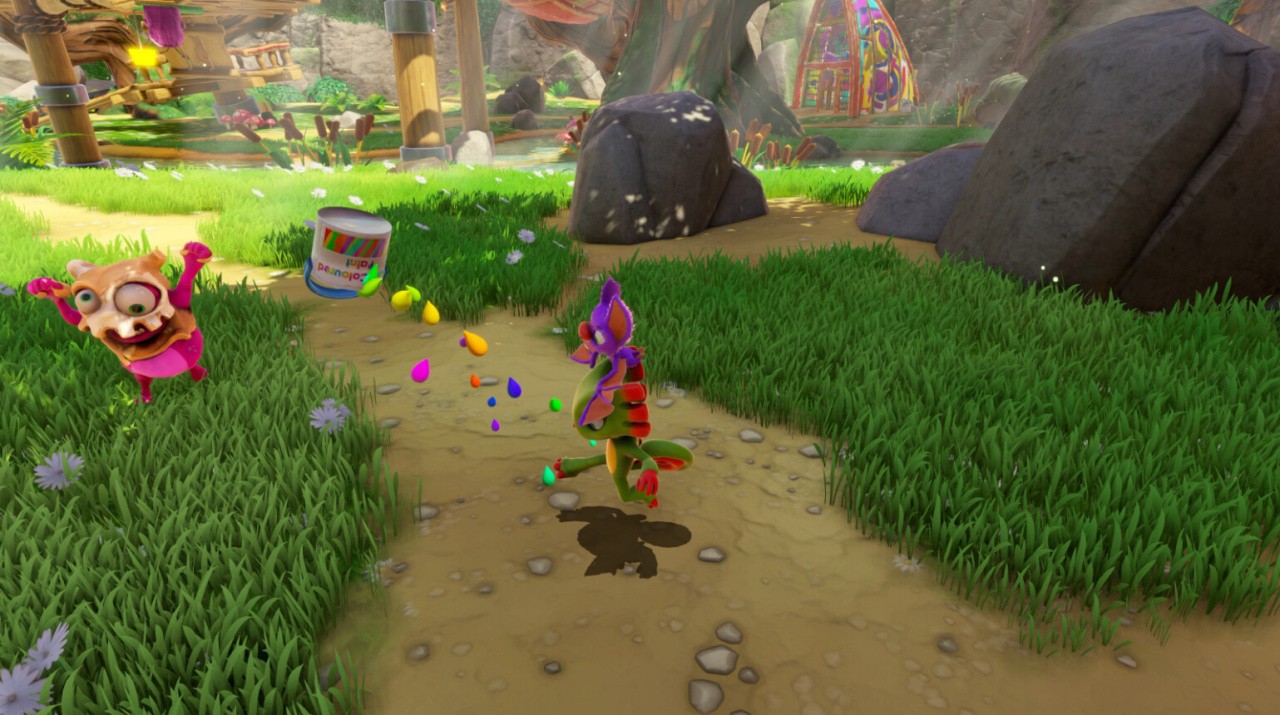
Actually, I’d say it’s the opposite. The Variable Refresh Rate of the Switch 2 is fantastic, and it means if you drop from 60 to, for example, 57 momentarily, you almost never notice.
It’s when it’s docked that we are more particular about any drops in frame rate, as these are much more noticeable. Not many games like this are perfect, but we’re really pleased that the experience is very similar in both docked and handheld.
What is the size of the download for this update?
We have had to touch so much of the game to bring you this, that this is a well-worth-it nearly 5GB patch!
Beyond the frame rate, will there be any other changes/tweaks in this update?
Yes many, there has been numerous bug fixes and stability improvements made since launch, and they will be included in this update, too.
Will there be changes to any of the other platform versions?
Yes, this patch is coming to all platforms, and we’re looking forward to seeing if we can make use of some of the optimisations we have made to increase the fidelity on those platforms, too!
Is this the final chapter for Yooka-Replaylee? If so, what’s next from Playtonic?
Not necessarily, we’re still listening to fans and watching how the game does from here on out and there’s a lot of ideas within the studio for the game.
Beyond this there are other things happening and there is a chance you can see much more from us very soon, watch this space, and thank you for the support.
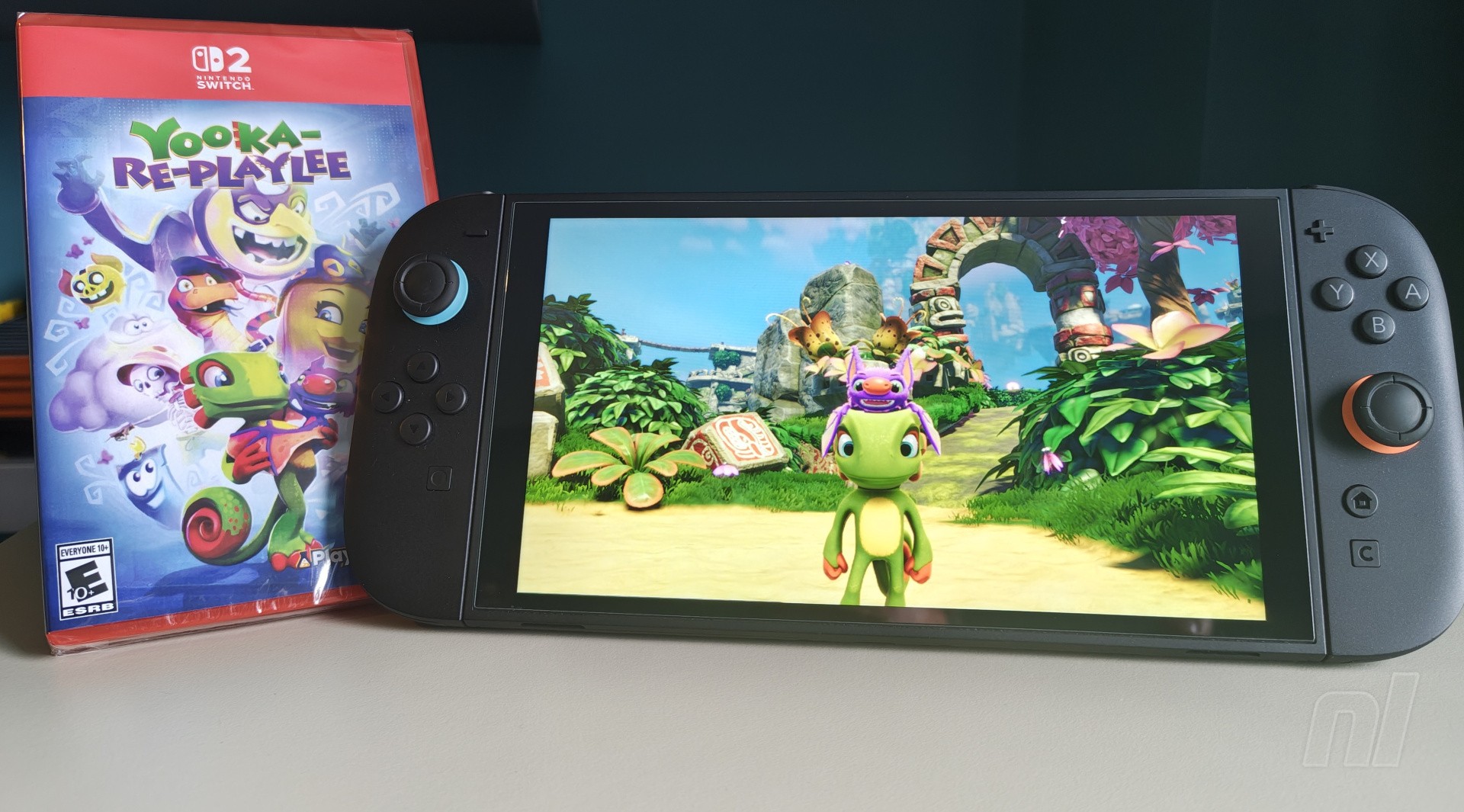
Thank you to Simon for taking the time to speak with us about Yooka-Replaylee’s new performance mode, and to Mark Boam for hosting our early playtest. The update is available now for all Switch 2 owners, so what are you waiting for? Get it downloaded.

