By Samantha Kamman, Christian Post Reporter
After a decorated career in the U.S. Army, including leading a task force instrumental in capturing former Iraqi President Saddam Hussein, former Congressman Steve Russell now finds himself serving on a very different front line: overseeing an international ministry that helps deliver God’s word to communities isolated by remote and dangerous terrain.
Russell, who became president and CEO of Jungle Aviation and Relay Service (JAARS) in 2022, has witnessed firsthand how the Holy Spirit can draw people into faith after they hear God’s word.
Although he grew up in a home that was not actively Christian, he accepted Christ at age 13 after several visits to church awakened a curiosity in him that led him to read the Bible.
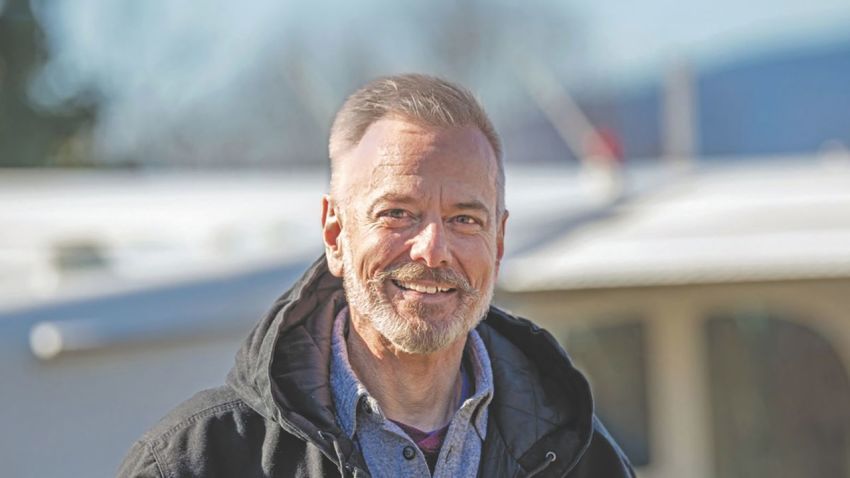
“I began to read the New Testament, and on that journey of reading, that’s how I became a believer in Christ,” Russell told The Christian Post.
“I understood it — that I was a sinner and I had no righteousness of my own,” he explained. “I needed Christ’s redemption, and I really never looked back on my faith from that point on.”
Following his career in the U.S. Army and in both the Oklahoma State Senate and the U.S. House of Representatives, Russell now leads a ministry built around giving others the same opportunity to hear the words of Christ that made him a believer.
Headquartered in North Carolina, JAARS has worked for 75 years to remove geographical barriers that prevent Bible translators and missionaries from reaching marginalized communities, describing its mission as “serving the last mile of missions.”
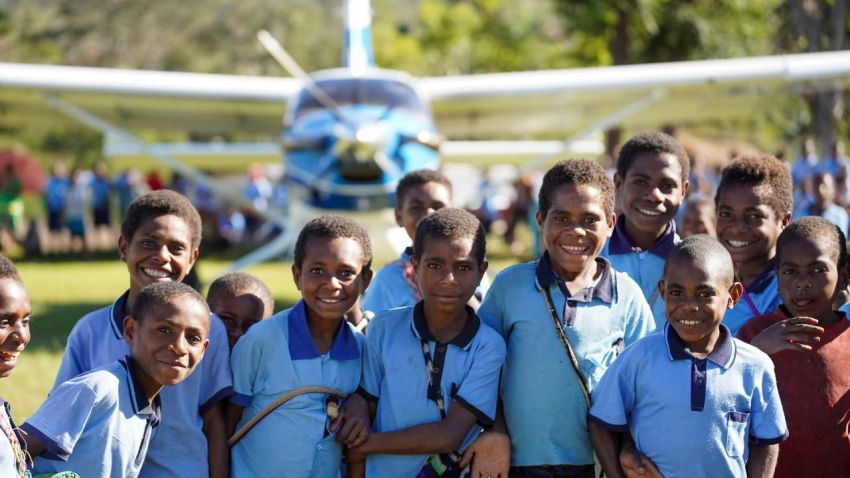
With its airplanes, helicopters, boats and off-road vehicles, JAARS enables missionaries to bring the Gospel to regions where there may be few roads, mountainous terrain and wide bodies of water that make reaching these places a challenge.
One of the areas that the ministry primarily operates in is the “green band” of rainforest climates, the belt of tropical evergreen forests that circle the Earth around the equator.
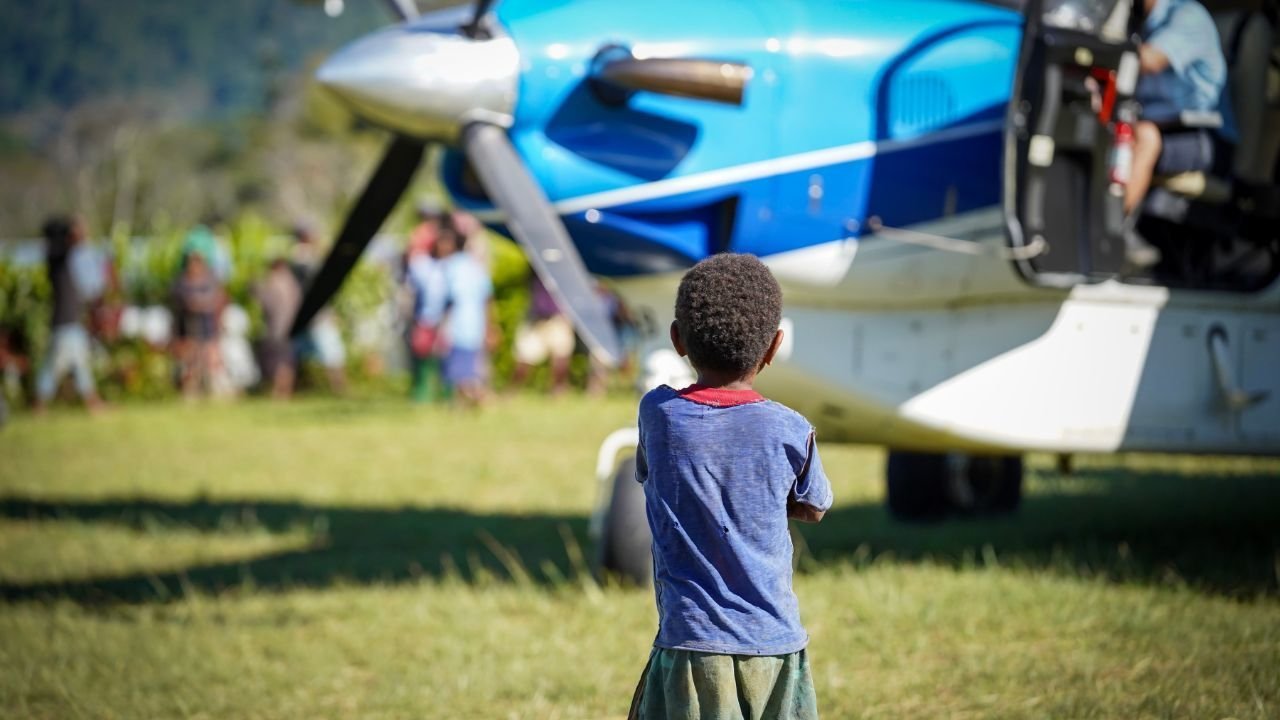
Papua New Guinea, which is located firmly in the tropical rainforest climate zone, is one of JAARS’ mission fields. Many communities in the Pacific island country are surrounded by towering mountain ranges, dense jungles and other natural barriers that make traveling there nearly impossible.
“So, imagine being up on top of a mountain area, but then it’s trackless jungle below you,” Russell said about Papua New Guinea.
“And so, your whole world and your whole community is really on top of that mountain, but you’re living in a rainforest, so you can plant sweet potatoes, you can pick food off the trees, you can hunt. … It is literally a hunter-gatherer type of environment, and you might have 4,000 to 6,000 that live in that community,” the JAARS CEO explained.
“On the next mountaintop, you might have the same thing, but the two speak a totally different language, and they’ve populated and grown over the centuries that way, and they don’t trust each other, and they war against each other,” he added.
Papua New Guinea is home to 840 living languages, making it the most linguistically diverse country on Earth. Without aviation, Russell said, reaching these communities on foot could take days — assuming a trail even exists.
“An airplane can turn that into a 30-minute trip or an hour trip,” the JAARS CEO stated.
Many of the communities in Papua New Guinea that JAARS supplies with the Gospel practice animistic religions and live in fear of evil spirits, according to the ministry leader. Russell said that many live in what he described as “abject fear” before they have the opportunity to hear God’s word.
As the villagers observe missionaries with their families and watch their children play without being eaten by evil spirits, they begin to see that there is something beyond the mythology and the darkness, Russell said.
“And then with the truth of God’s word, only the way the Holy Spirit can do, He brings truth and light to them, and it’s transformational,” the JAARS CEO stated.
Unlike many countries where missionary work faces government restrictions, Russell said that Papua New Guinea remains unusually welcoming.
“It’s one of the few places in the world where you can actually get a visa as a missionary,” he explained.
Beyond Papua New Guinea, JAARS operates throughout a broad network of countries. The Christian leader said that the ministry’s alliance includes work in Kenya, Uganda, Cameroon, Gabon, Peru and Brazil, in addition to its headquarters in Waxhaw, North Carolina.
The organization currently operates 48 aircraft — including both airplanes and helicopters — along with ships, Amazon River boats and other transportation assets.
While aviation remains central to JAARS’ work, Russell emphasized that the ministry’s operations extend far beyond flying.
“We are truly air, land and sea,” he said.
The JAARS CEO described the training that its pilots have to go through as “grueling,” noting that it usually takes several years for them to achieve the level required to conduct assignments.
According to Russell, the pilots’ work often involves landing an aircraft on an 800-foot strip that has been hand-carved and is surrounded by mountains and jungle.
“It’s a whole level of aviation that is unlike anything that you would imagine,” Russell said.
The missionary pilots are financially supported by partner organizations, while JAARS pays others directly when funding allows. Russell added that many pilots, mechanics and support staff who want to work for the ministry also raise their own salaries.
While JAARS historically received much of its support from churches, that has changed as fewer congregations maintain traditional missions committees or long-term missionary giving programs, according to Russell.
Today, he said, JAARS relies on a combination of individual donors, major charitable supporters and Christian-owned corporations that choose to invest in the ministry’s work.
Despite challenges such as rising aviation fuel costs, inflation and tariffs, Russell remains encouraged by the ministry’s future as it seeks to expand into additional unreached regions.
“Yeah, it’s expensive — we’re operating airplanes, we have maintenance reserves. You know, things break; it ain’t cheap, but there’s just no other way to get there,” the JAARS CEO stated. “And so whatever it takes, whatever the cost is, it’s God’s economy, and He’ll find a way to always support His work.”
Samantha Kamman is a reporter for The Christian Post. She can be reached at: samantha.kamman@christianpost.com. Follow her on Twitter: @Samantha_Kamman