Catholic leaders in Lebanon have spoken of the deteriorating situation in the country, which has been the scene of ongoing fighting between Israel and Hezbollah.
Today a peace deal between Israel, Iran and the US was agreed. The deal states that while violent hostilities will cease in Lebanon, Israel will maintain its occupation of parts of the country.
During the conflict a Catholic priest was killed by Israeli fire while trying to help parishioners. A number of Israeli soldiers also faced disciplinary action after desecrating Christian holy symbols.
Last week Melkite Greek Catholic Archbishop Georges Iskandar of Tyre issued an appeal for the protection of the ancient city of Tyre.
“The security situation affecting our region has become increasingly fragile, and the residents of the Old Quarter of Tyre, which includes the historic Christian quarter of the city, are living under growing fear for their lives, their homes, their churches, their heritage, and their future,” he told Aid to the Church in Need.
“Its Old Quarter is not merely a historic area – it is a living place of faith, memory, family life, coexistence, and continuous Christian witness. It is home to civilians, elderly people, children, and families who have remained attached to their ancestral land despite immense suffering, uncertainty, and danger.”
Decades of conflict in the Middle East have had a devastating impact on the Christian presence in the region. The US invasion of Iraq, the subsequent rise and fall of ISIS and the Syrian Civil War all took their toll, with the number of Christians dropping from over a million in each country to just a few hundred thousand.
In Lebanon, the same process has unfolded, albeit on a smaller scale.
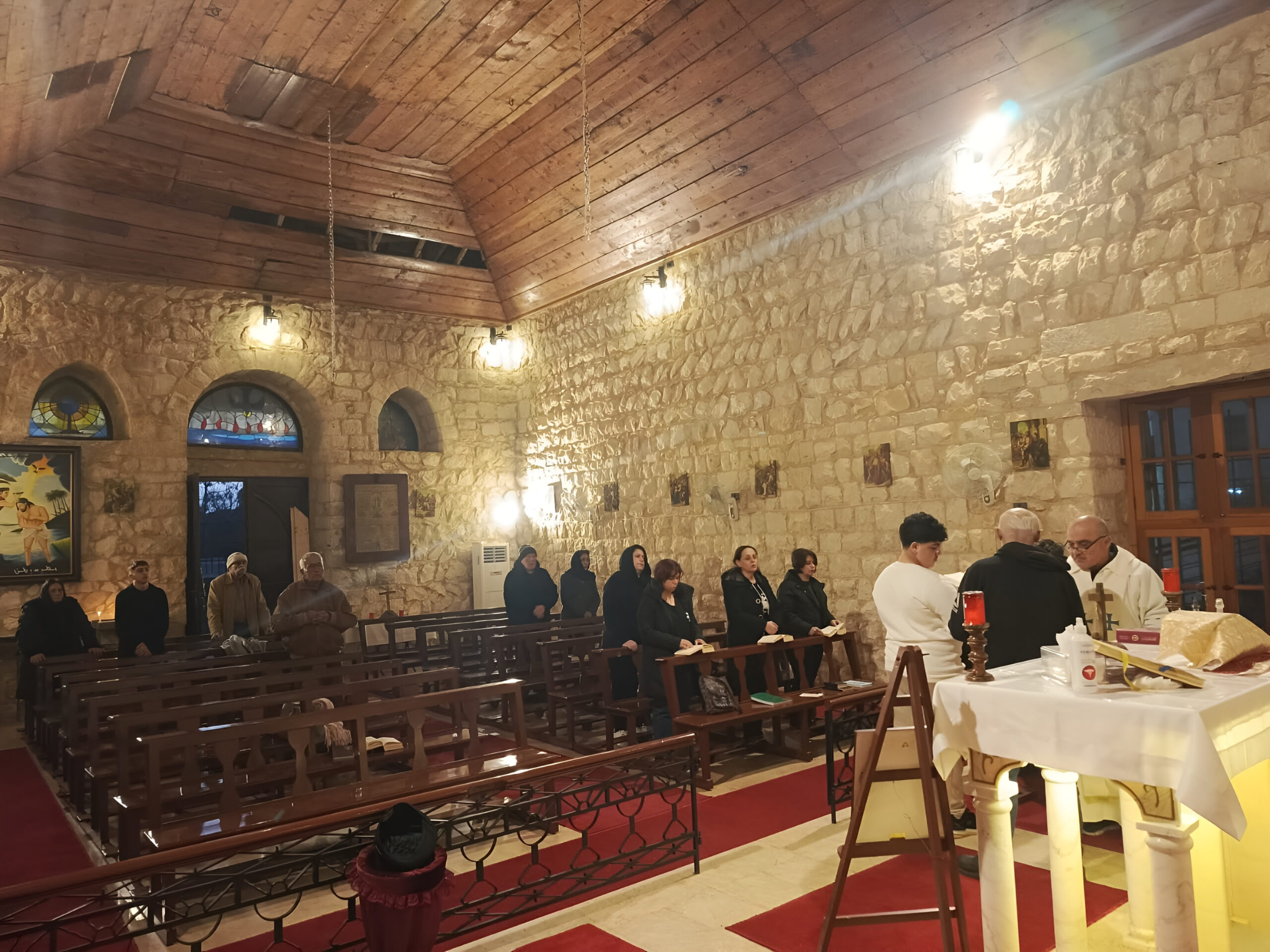
Father Youssef Semaan, parish priest of Kfour in Nabatieh District, told Aid to the Church in Need that conflict in the area had seen the local Christian population drop from around 120 to barely more than 10. Most had fled to other parts of Lebanon, particularly Lebanon and Sidon.
Father Semaan said, “We still have hope. But hope itself is not enough. It has to be based on solid foundations that allow us to rebuild and go on living. We are human after all.”