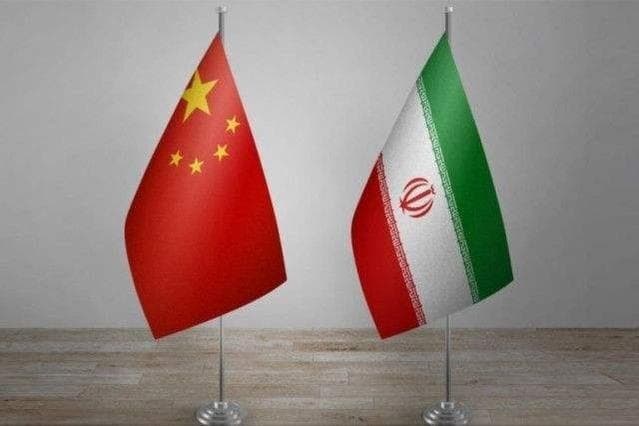
Iranian Parliament Speaker and special representative for China affairs, Mohammad Bagher Ghalibaf, held the first joint meeting with key economic officials on Wednesday to align Tehran’s economic strategy toward Beijing.
The session in Tehran included the ministers of economy, oil, and industry, alongside the central bank governor and the head of the Plan and Budget Organization.
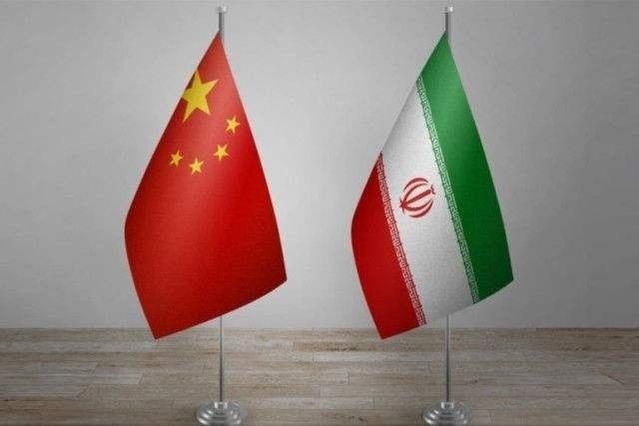
The assembly focused on establishing a unified government approach to elevate bilateral relations and coordinate the administration’s economic priorities. During the proceedings, officials evaluated China’s economic conduct amid the US-Israeli war on Iran and the closure of the Strait of Hormuz to the US and Israel.
Participants agreed to submit formal proposals to Ghalibaf to resolve outstanding challenges and deepen cooperation.
This coordination effort supports a developing strategy to position China as Iran’s “principal strategic partner” while expanding collaboration on regional and international issues.
Roughly 30 China-linked vessels crossed the Strait of Hormuz in a single day in mid-May under the supervision of Iran’s Islamic Revolutionary Guard Corps (IRGC) Navy.
These transits follow a “management protocol” established after Iran restricted the waterway to US and Israeli-linked vessels in February.
While the strait remains largely closed, passage is permitted for commercial ships that comply with Iranian naval procedures and utilize designated corridors
In parallel, since the ‘illegal’ US blockade on Iranian ports was implemented in April, Iran has tripled its rail exports of oil and liquefied petroleum gas (LPG) to China in an effort to bypass the economic stranglehold.
Iran’s special representative for China affairs @mb_ghalibaf held a joint meeting with the ministers of economy and oil, the Governor of the Central Bank of Iran (CBI), the head of the Plan and Budget Organization, and the Minister of Industry, Mine, and Trade. pic.twitter.com/0qHZlb2zIm
— IRNA News Agency ☫ (@IrnaEnglish) June 3, 2026
Freight trains on the 10,400-kilometer corridor now depart every three to four days, a significant increase from the previous weekly schedule, and halve traditional sea transit times to roughly 15 days.
Despite this, rail capacity remains a modest alternative to maritime shipping; one train carries 60,000 to 70,000 barrels of oil, while large tankers can transport upwards of 2 million barrels.