 praised the FCC’s plan, with President and CEO Jonathan Spalter saying that, “With this draft order, the FCC is working toward updating rules to reflect reality, accelerating America’s transition from outdated copper infrastructure to the modern, high-speed networks consumers consistently choose and rely on.”
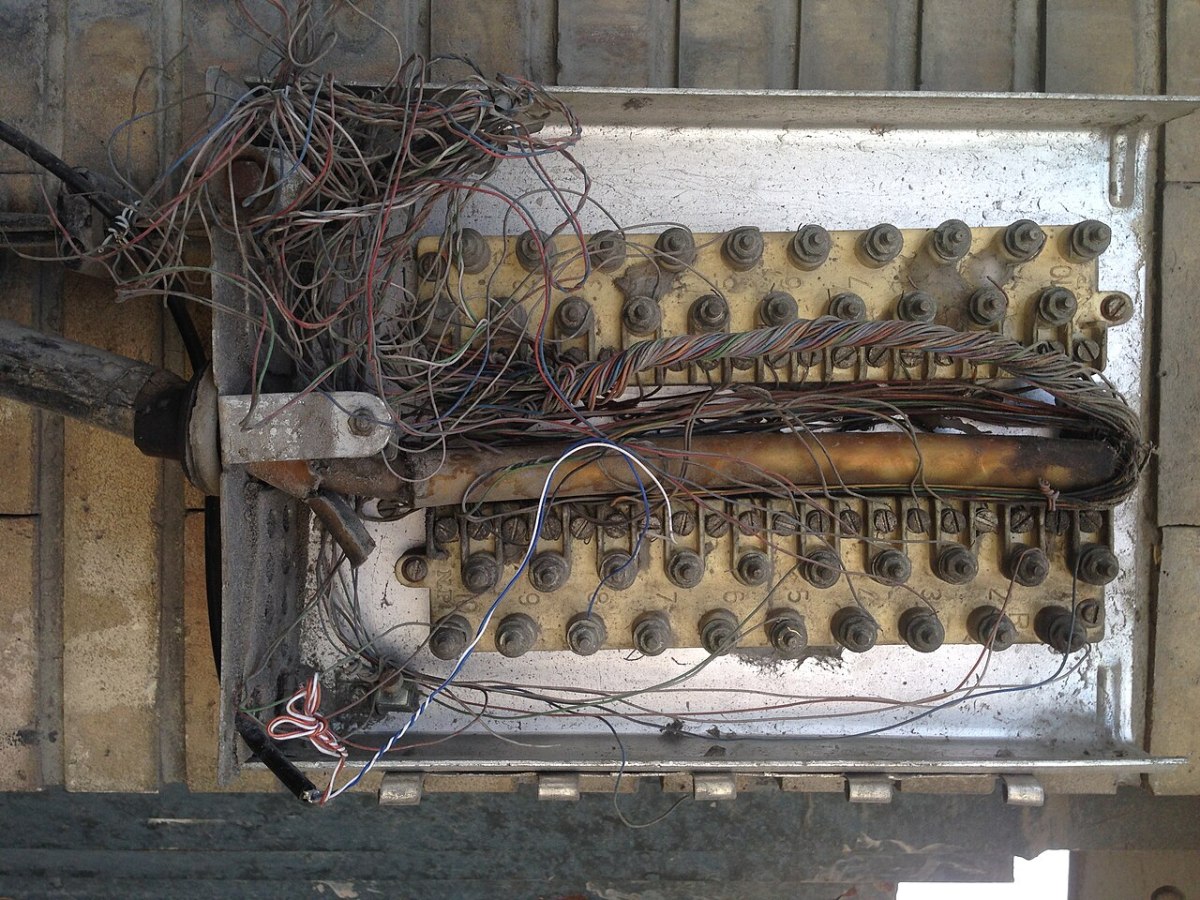
Eliminating copper lines should also help reduce broadband infrastructure vandalism. Copper has long been a target for thieves, but now broadband infrastructure is squarely in their crosshairs. As criminals strip cables from poles and dig up underground lines, the cost of replacing the stolen materials is skyrocketing, and consumers and taxpayers are being forced to pick up the tab.
In many cases, essential services such as 911 services and hospitals have temporarily lost communication abilities due to these illegal acts. It’s no wonder that many impacted consumers and telecommunications industry analysts have branded the malfeasance as domestic terrorism.
There has been pushback from the affected parties on the issue. NCTA (The Internet & Television Association) advocates for commonsense scrap metal regulations and enforcing ethical practices within the scrap metal industry to eliminate or at least reduce an outlet for thieves to sell their stolen copper. Companies have also invested in better surveillance and security personnel to safeguard their networks.
A 2024 report from NCTA found how widescale this problem is. There were 5,700 reported incidents of intentional theft and/or vandalism targeting communications infrastructure in the last six months of 2024. That averages out to 27 incidents per day.
The FCC plan would modernize telecom rules and help speed the industry’s shift away from inefficient copper lines and toward more efficient wireless and fiber networks. It would also improve quality, security, and innovation. It’s long past time to retire relic infrastructure and let American networks compete on the technology of today, not yesterday.
Johnny Kampis is director of telecom policy for the Taxpayers Protection Alliance.