Don’t Allow Iranian Refugees to Come to Britain, Warns Farage, But Make Persia Great Again
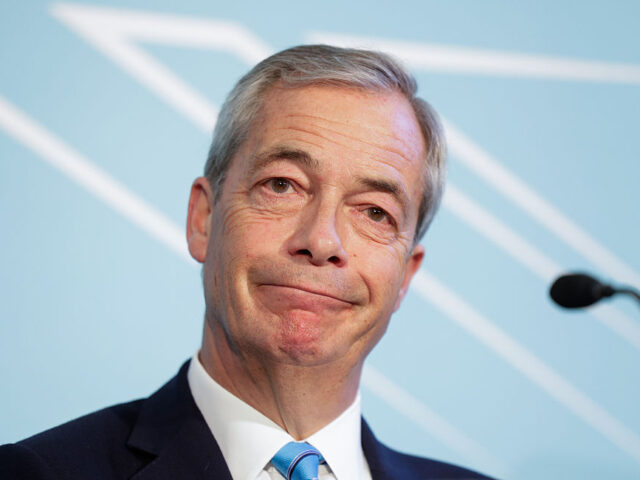
Britain should not become a destination for refugees fleeing conflict in Iran, but helping the country turn a corner would see Iranian expatriates already here wanting to return to their homeland, Reform UK leader Nigel Farage said.
The United Kingdom should not allow itself to become a magnet for new Iranian refugees, but should instead “help” the country become so attractive it instead pulls decades of dissidents who fled the Islamic theocracy back to start new lives in their homelands, Nigel Farage has said. Discussing the “wonderful Persian people”, whose exiled would-be leader Shah Reza Pahlavi Mr Farage has previously frequently spoken in favour of, the Reform UK leader stated the United Kingdom “simply can’t” afford to take any more refugees from foreign conflicts.
Instead, he said, refugees should be “housed in the Middle East”. On the longer term aspirations for Iran, Mr Farage continued: “…if we help get a much better regime in place than the theocrats and extremists who have been there for 47 years, what you would actually see is a lot of people living in Britain who came from Iran originally would go back.”
On Iranians across the West wanting to go home if they could, he remarked: “I’m not suggesting [they should be forced to go back, but] there are Persians here who came from 1979, from the time when the Mullahs took over. And I know many of those people that I’ve met would love to go back to their home country, but away from the barbarity of this regime.”
Building on Farage’s Iran remarks, Reform colleague Robert Jenrick told GB News on Monday evening that a Reform UK government would have supported the U.S. in its bid to disarm Iran by opening its airbases to American jets. He said: “They are our longest standing ally, it is important we area reliable ally and not one that waxes and wanes, or puts a vague sense of international law over those longstanding relationships.
“There will be times when we need the United States for our defence, so we should support them when they want to take action.”
The Persia comments follow other remarks made by Mr Farage on Monday, when he criticised years of Western policy towards Iran, and praised U.S. President Donald Trump for taking action. He said at a press conference:
…our policy towards Iran has been wrong, wrong, wrong ever since 2015, and I’ve said so consistently over the years. The JCPOA deal, so approved of by President Obama, the European Union… has been an act of appeasement that has freed up tens of billions of dollars [for Tehran] most of which has been used by the Iranian regime to back terrorist organisations right across the world. Hezbollah, Hamas, the Houthis, just naming a few.
There are of course big risks with the American and Israeli actions, but equally enormous risks in doing nothing, allowing Iran to go on funding these extremist factions, attacking shipping, and doing everything they can to build a nuclear bomb. I do believe the American President and the Israelis are right in what they are doing and the inactions of our Prime Minister frankly pathetic.
To say to the Americans they can not use UK bases to Diego Garcia to carry out their missions is something the President has responded to already by saying he’s ‘deeply disappointed’. I suspect for once from Trump, that is actually a mild understatement. And I do believe that Starmer’s actions don’t just threaten the Special Relationship but probably he did pose a major threat to NATO.
President Trump slammed Starmer’s dithering on Iran on Monday, calling out the left-wing UK Prime Minister for being obstructive and then taking too long to shift his position after Iran started lashing out at targets across the Middle East in revenge. As reported, President Trump revealed his opinion that Starmer was hung up on the legal niceties and was foolish not to take the chance to deal with Iran, which has long targeted the United Kingdom.
Starmer himself acknowledged that Iran has been trying to attack people in Britain, stating the domestic security services had rumbled over 20 “potentially lethal” plots sponsored by Tehran in the past year alone. Nevertheless, he stuck with his position there was no legal pretext for Britain to get involved.