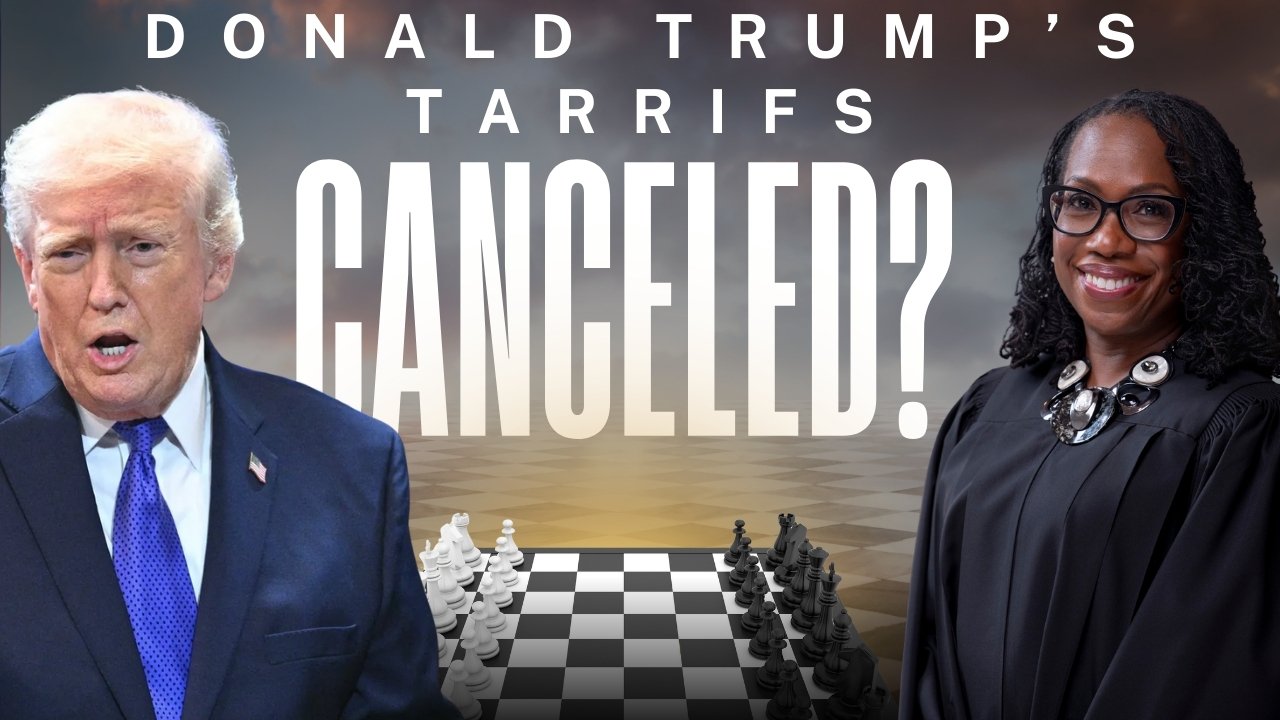


WATCH: How Trump Can Still Impose Tariffs After the Supreme Court Ruling
The latest episode of The Patriot Perspective tackled a question many conservatives are overlooking: a Supreme Court loss under one tariff statute does not equal the end of the broader tariff strategy.
The discussion began with a straightforward premise. The Court’s ruling did not evaluate whether tariffs are sound economic policy. The ruling addressed legal authority.
Congress writes tax law. Tariffs function as a tax on imports. When an administration attempts to anchor broad, long-term tariff policy in emergency “regulation” language, the legal vulnerability becomes predictable: regulating commerce is not the same as imposing duties.
“Even if you support Trump’s tariffs, which I do, I love tariffs,” Gregory Lyakhov said during the episode. “It doesn’t necessarily mean that you have to be against this ruling.”
That distinction matters because it reframes the real story: alternative statutory pathways.
If the emergency-powers route is narrowed, the Trump administration can pivot to statutes specifically designed for trade enforcement rather than generalized emergency management.
The legal setback constrains one mechanism, not the policy objective as a whole.
One immediate option discussed was a temporary, across-the-board import surcharge authority that can reach up to 15% and last approximately 150 days before requiring further congressional involvement.
That authority is not a permanent solution, but it functions as a stopgap measure that preserves leverage and maintains revenue flow while agencies construct longer-term cases under more durable statutes.
From there, the tariff strategy becomes less blunt and more procedurally grounded.
The most defensible routes are trade statutes that anticipate formal investigations, evidentiary findings, and administrative records—precisely the elements courts examine when reviewing executive action.
Section 232 of the Trade Expansion Act provides the clearest national security pathway.
If the Department of Commerce documents that foreign dependence in sectors such as steel, aluminum, critical minerals, semiconductors, or defense-linked supply chains creates a national security vulnerability, tariffs may follow.
That framework is narrower than a universal tariff, but it is structured to withstand judicial scrutiny because the justification is tied to specific national security risks.
Section 301 of the Trade Act of 1974 provides a separate avenue for addressing unfair trade practices, particularly relevant to China.
If an administration documents forced technology transfer, intellectual property theft, discriminatory trade barriers, or currency practices that distort market conditions, Section 301 authorizes retaliatory duties.
The process is slower than invoking emergency authority, but it is structurally stronger because it is tethered to documented findings and defined misconduct.
There are also quasi-tariff mechanisms that function similarly in practice. Anti-dumping and countervailing duties, for example, are not branded as “Trump tariffs,” but they can significantly raise import costs when the Department of Commerce and the International Trade Commission determine that foreign producers are dumping goods below fair value or benefiting from improper subsidies.
The episode’s throughline was clear: the Supreme Court made tariffs more procedurally burdensome to implement, but not impossible.
The ruling narrowed one shortcut. It did not dismantle the broader legal architecture available to an administration committed to reshaping U.S. trade policy.
The Patriot Perspective has recently switched its main platform from Rumble to YouTube, and we would greatly appreciate it if our old subscribers would subscribe to us there. [HERE]
The post How Trump Can Still Impose Tariffs After the Supreme Court Ruling appeared first on The Gateway Pundit.