Mining conglomerate BHP describes AI as the way it’s turning operational data into better day-to-day decisions. A blog post from the company highlights the analysis of data from sensors and monitoring systems to spot patterns and flag issues for plant machinery, giving choices to decision-makers that can improve efficiency and safety – plus reduce environmental impact.
For business leaders at BHP, the useful question was not “Where can we use AI?” but “Which decisions do we make repeatedly, and what information would improve them?”
Portfolio not showcase
BHP describes the end-to-end effects of AI on operations, or as it puts it, “from mineral extraction to customer delivery.” Leaders had decided to move beyond pilot rollouts, treating AI as an operational capability. It started with a small set of problems that affected the company’s performance; places where change could be measured in results.
The company found it could avoid unplanned downtime of machinery, plus it tightened its energy and water use. Each use case addressing a small but impactful problem was given an owner and an accompanying KPI. Results were reviewed with the same regularity used for other operational performance monitoring elsewhere in the company.
Where BHP uses AI daily
In addition to BHP focusing specifically on areas such as predictive maintenance and energy optimisation, it gave consideration to using AI in more adventurous yet important operations such as autonomous vehicles and real-time staff health monitoring. Such categories can translate well to other asset-heavy environments, across logistics, manufacturing, and heavy industry.
Predictive maintenance
Predictive maintenance is the process of planning repairs in scheduled downtime to reduce unexpected failures and costly, unplanned stoppages. Here, AI models analyse equipment data from on-board sensors and can anticipate maintenance needs. This cuts breakdown numbers and reduces equipment-related safety incidents. BHP runs predictive analytics across most of its load-and-haul fleets and its materials handling systems. A central maintenance centre provides real-time and longer-range indications of machine health and potential failure or degradation.
Prediction has become an integral part of its machinery-heavy operations, where previously, such information was presented as ‘just another’ report, one that could get lost in the bureaucracy of the company. It models and defines thresholds which trigger actions directly to teams planning maintenance.
Energy and water optimisation
Deploying predictive maintenance in this manner at its facilities in Escondida in Chile, the company reports savings of more than three giga-litres of water and 118 gigawatt hours of energy in two years, attributing the gains directly to AI. The technology gives operators real-time options and analytics that identify anomalies and automate corrective actions at multiple facilities, including concentrators and desalination plants.
The lesson it’s learned is placing AI where decisions happen: When operators and control teams can act on recommendations in real time, improvements compound. Conversely periodic reporting means decisions are only taken if staff both see the results of data, and then decide it’s necessary. The realtime nature of data analysis and the use of triggers-to-action mean the differences becomes quickly apparent.
Autonomy and remote operations
BHP is also using more advanced technologies like AI-supported autonomous vehicles and machinery. These are higher-risk areas, and the tech has been found to reduce worker exposure to risk, and cut the human error factor in incidents. At the company, complex operational data flows through regional centres from remote facilities. So, without the use of AI and analytics, staff would not be able to optimise every decision in the way that software achieves.
The use of AI-integrated wearables is increasing in many industries, including engineering, utilities, manufacturing, and mining. BHP leads the way in protecting its staff, who often work in very challenging conditions. Wearables can monitor personal conditions, reading heart rate and fatigue indicators, and provide real-time alerts to supervisors. One example might be ‘smart’ hard-hat sensor technology, used by BHP at Escondida, which measures truck driver fatigue by analysing drivers’ brain waves.
A plan leaders can run
Regardless of industry, decision-makers can draw learnings from BHP’s experiences in deploying AI at the (literal) coal-face. The following plan could help leaders in their own strategies to leverage AI in operational problem-areas:
- Choose one reliability problem and one resource-efficiency problem that operations teams already track, then attach a KPI.
- Map the workflow: who will see the output and what action they can take?
- Put basic governance in place for data quality and model monitoring, then review performance alongside operational KPIs.
- Start with decision support in higher-risk processes, and automate only after teams validate controls.
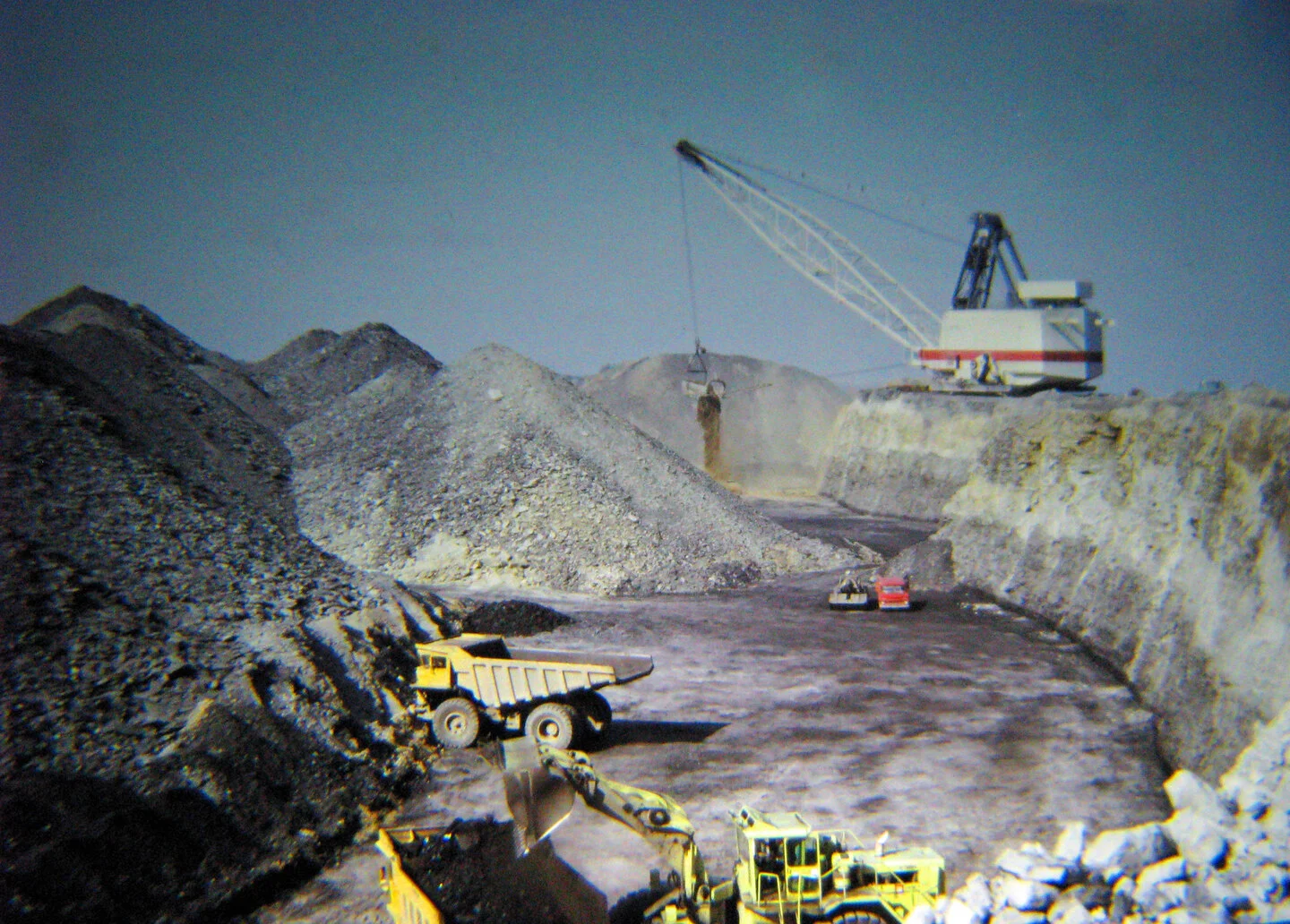
(Image source: “Shovel View at a Strip Mining Coal” by rbglasson is licensed under CC BY-NC-SA 2.0.)

Want to learn more about AI and big data from industry leaders? Check out AI & Big Data Expo taking place in Amsterdam, California, and London. The comprehensive event is part of TechEx and co-located with other leading technology events. Click here for more information.
AI News is powered by TechForge Media. Explore other upcoming enterprise technology events and webinars here.